
Pro BJP and Godi Media Spread Fake News Claiming Majority Cockroach Janata Party Followers From Pakistan
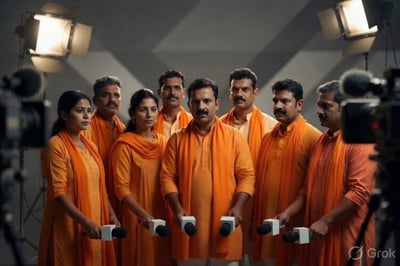
The Cockroach Janata Party emerged as a strong youth driven platform after a comment by the Chief Justice of India compared some unemployed young people to cockroaches. A student named Abhijeet Dipke took this remark and turned it into a symbol of protest by starting an Instagram page. In a very short time the page attracted more than fifteen million followers which is faster than many established political parties. Young people across India joined because the page used humor and satire to discuss serious problems like massive unemployment paper leaks in competitive exams and limited job opportunities for the new generation. It gave a voice to frustrations that many felt were ignored by traditional politics. The movement focused on real issues without aligning to any big party and encouraged creative expression among students and job seekers who saw the cockroach as a sign of survival and resistance rather than an insult. This rapid rise showed the power of social media in bringing hidden anger into public view especially among those preparing for exams like NEET where leaks and unfair practices have caused widespread disappointment.
Soon after the growth pro BJP accounts and several Godi media handles started sharing unverified information. They claimed that almost half the followers of the Cockroach Janata Party were from Pakistan with specific numbers like forty nine percent from there fourteen percent from the United States fourteen percent from Bangladesh and only nine percent from India. BJP leader Tajinder Bagga posted these figures and labeled it as Pakistan Janata Party suggesting foreign hands were involved to disturb peace in the country. Other aligned voices repeated the story widely which created confusion and led to demands for investigations into the page. This approach seemed aimed at discrediting the entire youth effort by questioning its Indian roots. However the founder Abhijeet Dipke countered by releasing official Instagram data that clearly showed more than ninety four percent of followers and viewers were from India itself. Small portions came from the United States United Kingdom Canada and United Arab Emirates while Pakistan and Bangladesh had almost no presence in the top list. These facts exposed the shared claims as not matching reality and highlighted how quickly unverified posts can travel and influence opinions without proper verification.
The situation became more intense as the page and related accounts faced technical issues including possible hacking attempts and temporary blocks on platforms. The founder mentioned these problems as efforts to suppress the growing voice of young Indians who were using the platform to highlight daily struggles. Despite the challenges the core message continued to connect with people because it addressed genuine concerns such as high rates of joblessness and problems in education systems that affect millions. Some public voices supported the idea that youth should have space to express dissatisfaction through satire instead of complete shutdowns. This episode brought attention to the role of digital spaces in modern India where movements can gain huge traction but also face swift pushback through information that does not hold up under checks. It also revealed how certain sections use strong labels to shift focus from actual issues like youth unemployment to doubts about loyalty and origins. The domestic support remained solid as more young users engaged with the content showing deep roots within the country rather than outside influence.
The developments around the Cockroach Janata Party point to the difficulties in managing information flow in todays connected world. While the youth movement keeps drawing attention to important topics like fair opportunities and better governance the spread of misleading reports from pro BJP and Godi media sources creates unnecessary divisions. Official numbers confirm strong Indian participation yet the initial narrative tried to suggest otherwise which raises points about the need for careful reporting. Many observers note that such incidents show the tension between free online expression and political responses aimed at controlling the conversation. The coming weeks will indicate whether this energy from young people leads to lasting impact or gets weakened by repeated challenges but the clear Indian backing for the page underscores that their concerns deserve real attention from leaders across the spectrum. This case serves as a reminder of how satire can spark important discussions while also inviting strong reactions in the current political environment.