
Bank Nifty Surges 700 Points Off Lows Following First RBI Rate Hike In Nearly Four Years
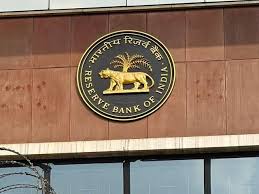
Indian equity markets witnessed an energetic session of trading as banking shares staged an unexpected and powerful recovery right after the central bank made its latest policy announcement. Financial markets typically drop when lending rates go up because higher borrowing costs make loans more expensive for consumers and companies. However, the Bank Nifty index wiped out its early morning losses, bouncing back over seven hundred points from its intraday low. The aggressive buying across major private and state-run lenders showed that market participants looked past the immediate headline numbers and chose to focus on the underlying strength of the domestic economy.
The Reserve Bank of India increased the benchmark repo rate by twenty-five basis points to five point five percent. This decision represents the very first interest rate hike by the central bank in nearly four years, breaking a long stretch of lower borrowing costs and stable pauses. Central bank officials explained that the move was necessary to keep a tight check on rising food and retail price pressures, which have stayed above target bands in recent months. By taking timely action today, policymakers aim to prevent inflation from hurting family budgets and corporate savings in the coming quarters.
The primary reason why bank shares bounced back so strongly is that large commercial lenders often gain higher earnings margins when interest rates climb. When the central bank lifts the repo rate, banks immediately raise the floating interest rates they charge on home loans, personal loans, and business working capital. Meanwhile, the interest rates they pay on regular savings and fixed deposits increase at a much slower pace. This gap allows banks to earn better interest income, which directly protects bank balance sheets and keeps quarterly profits healthy.
Another major reason for the stock market rally was that the rate increase had already been anticipated by institutional investors. Traders and treasury desks had spent weeks preparing for higher borrowing costs due to sticky consumer inflation and shifting international monetary signals. Because stock prices had already fallen ahead of the meeting, the actual announcement cleared away the cloud of uncertainty. Once the decision was out in the open, institutional buyers rushed back into the market to purchase large banking stocks at discounted valuations.
The central bank also brought cheer to the markets by increasing its overall economic growth forecast. Policymakers raised the gross domestic product growth projection to seven point one percent, pointing out that domestic factories, farm outputs, and service activities remain unusually robust. When an economy grows this fast, companies continue to take new loans to build factories and expand retail operations, even if interest rates are slightly higher. This economic momentum gives investors confidence that bank loan growth will not stall.
In addition, the prompt rate hike helps defend the domestic currency against foreign exchange swings. A proactive central bank that tackles inflation early makes local bonds and cash markets more appealing to foreign institutional funds. As the Indian rupee finds stability, overseas investors are less likely to pull their capital out of local exchanges. This currency stability directly supports large index heavyweights and reduces wild fluctuations in equity prices.
Indian banks are also entering this new rate cycle from a position of historical financial health. Bad loans and non-performing assets across the banking sector are currently at their lowest levels seen in many years. Modern lending institutions carry plenty of extra capital and cash reserves, which means they do not have to struggle for survival as rates rise. Because their balance sheets are clean and well-provisioned, banks can easily absorb slight shifts in credit costs without facing liquidity panics.
While rate-sensitive sectors such as real estate, affordable housing developers, and car makers saw somewhat cautious movement due to higher loan installments, the broader equity market absorbed the policy shift comfortably. Market experts point out that a modest twenty-five basis point adjustment shows responsible economic management rather than a sudden emergency panic. By showing the courage to hike rates while domestic demand is strong, the central bank has built a safer path for steady, long-term corporate earnings.