
Can Netanyahu Attack Iran Before He Leaves Chair as Caretaker PM Faces Legal and Political Scrutiny
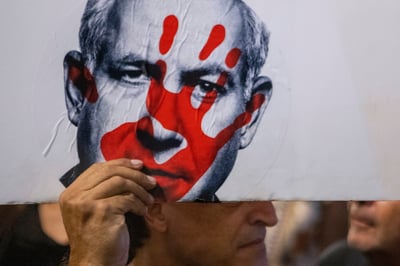
Debate is intensifying across Israel and the wider Middle East over whether outgoing Prime Minister Benjamin Netanyahu can legally launch a military attack on Iran before he steps down from his chair. Following the national parliamentary elections held on October 27, 2026, Netanyahu is serving as the head of a caretaker government while opposition leader Gadi Eisenkot works to assemble a new ruling coalition. Even though Netanyahu is in a transitional role, Israeli legal experts confirm that his cabinet still holds the full constitutional authority to order military operations until a new government is formally sworn in.
To understand why this situation has sparked intense public discussion, it helps to look at how Israeli law operates during a change of leadership. When an outgoing prime minister leads a caretaker administration, courts normally expect ministers to practice restraint and avoid making major long term political appointments or large budget commitments. However, national security follows a very different rule. Under Israel basic laws, there cannot be a pause or vacuum in defending the country, meaning a sitting cabinet retains full legal power to go to war if security threats require immediate action.
Concerns over a possible strike on Iran have grown sharper following reports that Israel security establishment was instructed to raise its military readiness for potential action. Adding to the debate, Israel security cabinet has not held a formal session since early October, though ministers are scheduled to meet on Sunday, November 15, 2026. Opposition lawmakers and legal observers have raised serious questions about how major military decisions are being weighed while formal cabinet meetings have been on hold.
On the political front, Israeli President Isaac Herzog officially handed the mandate to form the next government to Yashar party leader Gadi Eisenkot after 67 lawmakers recommended him, compared to 46 who backed Netanyahu. Eisenkot, a former armed forces chief himself, now has 28 days to build a working majority in the 120 seat parliament. In a notable step during the transition, Netanyahu held a joint security briefing with Eisenkot to update him on sensitive national defense matters.
According to Israeli media reports detailing that briefing, senior military officials informed both leaders that the Israel Defense Forces currently see no urgent operational need to carry out an immediate strike on Iran. Earlier reports also indicated that Armed Forces Chief of Staff Lieutenant General Eyal Zamir urged caution against taking sudden military steps that could trigger a full scale regional conflict at such a delicate political moment.
Despite those military assessments, opposition politicians remain deeply worried about what the caretaker leadership might decide over the coming weeks. Yisrael Beiteinu party leader Avigdor Lieberman publicly warned that a transitional government must not take actions that could pull the country into a major war without proper parliamentary oversight and full backing from top security chiefs. Other political critics have accused Netanyahu of trying to create a wartime emergency that could pressure rival parties into forming a national unity government under his leadership.
Outside Israel borders, international diplomats are watching every development with deep concern. Negotiators from the United States, Qatar, and Gulf nations who are working to stabilize the region and manage ongoing talks with Tehran fear that a sudden Israeli strike could derail delicate diplomatic efforts and trigger a fresh wave of missile attacks. Reports also note that Washington has been reluctant to back new military escalation while diplomatic channels remain active.
For ordinary Israeli families, the debate brings back painful memories of recent fighting and heavy anxiety over daily safety. Many citizens feel exhausted after months of air raid sirens, reserve army call ups, and economic strain, and they want clear assurance that any decision involving war and peace is driven strictly by genuine national defense rather than political survival. At the same time, supporters of the outgoing prime minister argue that threats from Iran missile and nuclear programs do not wait for election calendars, insisting that a leader must keep every military option ready until the final day in office.
As Gadi Eisenkot continues his coalition negotiations in Jerusalem and the security cabinet prepares to meet, Israel finds itself at a critical turning point. While the law clearly allows Benjamin Netanyahu to act as commander in chief until he leaves his chair, launching a strike without broad political support would likely ignite fierce domestic divisions across the country.