
Chief Justice Of India Surya Kant Who Termed Youngsters As Cockroaches Faces Heated Questions On Dissent At London Lecture
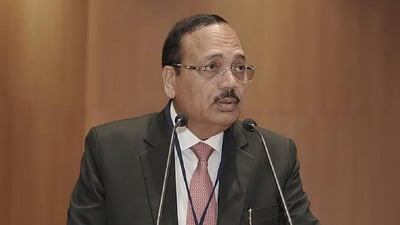
A public lecture delivered by the Chief Justice of India Surya Kant at Birkbeck College, University of London, escalated into a major international controversy following a tense confrontation during the interactive question and answer segment. The Chief Justice was visiting the United Kingdom as part of an official six day tour and had just concluded a comprehensive speech focusing on the theme of Artificial Intelligence and International Law. The atmosphere inside the academic hall turned highly contentious when an audience member rose to challenge the legal dignitary regarding the current state of democratic freedoms and freedom of speech within the South Asian nation. The interaction brought direct international attention back to the Chief Justice himself, who recently triggered massive public outrage across India after making oral observations in court that compared critical online youngsters and activists to cockroaches and societal parasites. Before the attendee could fully articulate her specific question regarding growing hostility to dissent, the event moderator quickly stepped in to halt the line of inquiry, citing that the political nature of the question deviated completely from the academic focus of the scheduled discussion.
The unexpected disruption highlighted a growing international debate regarding political freedoms, civil rights, and the nature of institutional language in the world largest democracy. The attendee began her question by acknowledging the points made by the Chief Justice concerning how legal frameworks protect democratic values in an automated age, but she quickly shifted focus to wider domestic governance issues and the conduct of the judiciary. She pointed out that numerous legal observers both inside the country and across international bodies have raised substantial concerns regarding what they perceive as a widening pattern of official intolerance toward public criticism. The questioner explicitly suggested that this growing institutional hostility toward political opponents and civil activists was directly reflected in the recent highly publicized remarks made by the judicial leadership back home, which have drawn sharp criticism from human rights groups and generated widespread anger among the younger population.
The immediate decision by the organizers to shut down the audience interaction triggered strong protests from several other attendees inside the university hall, with some demanding equal respect and an open forum for discussion. The international controversy stems directly from a May fifteen courtroom exchange where the Chief Justice, while hearing a petition, expressed frustration over unemployed individuals gravitating toward social media and activist roles, stating that there are youngsters like cockroaches who start attacking everyone and the system. While the Chief Justice later issued an official clarification stating that his sharp remarks were directed solely at individuals holding fraudulent or fake educational credentials rather than ordinary unemployed youth, the explanation failed to calm public anger. Instead, the comment fueled a persistent nationwide debate about institutional accountability, leading to the creation of a massive satirical youth movement known as the Cockroach Janta Party that has actively mobilized digital protests against the top judge.
In the aftermath of the London event, the Indian High Commission in the United Kingdom released a formal statement strongly criticizing the behavior of the audience members and describing the interruption as entirely inappropriate for public discourse. The diplomatic mission argued that while differences of position are fundamental to any healthy democratic setup, such viewpoints must always be communicated through civil, structured, and polite channels rather than disruptive tactics during an academic seminar. This incident reflects a broader pattern of global scrutiny facing Indian officials abroad, demonstrating that deep seated domestic disputes regarding governance, civil liberty protections, and the verbal conduct of the judicial head are increasingly following public figures onto the international stage.