
Football World Cup Matches Test Hyderabad Nightlife As Pubs And Bars Hunt For Profits
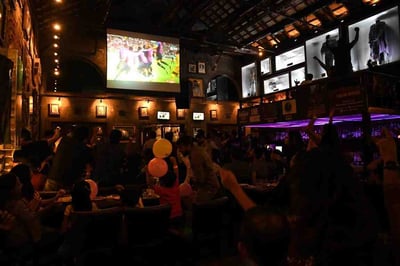
The nightlife sector in Hyderabad witnessed an unprecedented surge in activity on July 18 2026 as late night sports screenings drew massive crowds to entertainment districts across the city. With the football World Cup reaching its final stages thousands of local fans filled up major hospitality hubs like Jubilee Hills and Gachibowli to watch the live matches broadcasted from North America. This sporting fervor has created a major economic opportunity for local businesses which have faced strict regulations regarding midnight closures for several months. Industry stakeholders reported that the weekend matches caused a massive 40 percent jump in reservations and overall footfall compared to regular summer weeks. Establishments have invested heavily in creating massive high definition stadium style projection walls to provide an immersive experience for enthusiasts eager to stay out late.
The massive demand for nighttime entertainment has brought a lingering local policy dispute back into the public spotlight. The Hyderabad Restro Bars Association has utilized this historic surge in consumer interest to pressure state authorities for a permanent extension of operational hours until 2 am on weekends. Currently strict regulations require most commercial venues to shut down music systems by midnight and close doors completely by 1 am to ensure public order. Business owners argue that these limitations restrict economic growth and put the city at a disadvantage compared to other tech hubs like Bengaluru. Industry representatives noted that young software professionals who form the core customer base are eager to spend money on nighttime recreation but are turned away due to administrative deadlines.
The current situation highlights a complex structural conflict between urban police forces and the commercial hospitality lobby. Local law enforcement agencies remain highly cautious about extending entertainment licenses due to worries over traffic management drunk driving incidents and safety in crowded zones. Security officials have increased nocturnal patrols and set up multiple breathalyzer checkpoints near major nightlife stretches to keep the public safe during the matches. However representatives from the hospitality sector emphasize that running a modern metropolitan economy requires a mature nighttime infrastructure that supports legal business growth rather than restricting it. They argue that proper commercial zoning and coordinated public transport adjustments would manage safety concerns much better than relying on blanket curfew rules.
The outcome of this sporting season will likely shape the future of urban nightlife management across Telangana for the rest of the year. With the massive final matches scheduled to conclude by late July the ability of local venues to handle massive crowds without safety incidents will serve as a crucial test case for state regulators. Economists point out that a thriving nighttime economy generates significant excise tax revenue for the state exchequer while supporting thousands of service sector jobs. As the local administration evaluates the economic data from this busy weekend the pressure to reform outdated entertainment laws will continue to build. The current football fever proves that the local public is ready to embrace a vibrant global nightlife structure forcing city planners to adjust security models to match the evolving demands of a modern workforce.