
Government Bans 3 Apps Used to Remotely Shut Down E Rickshaws and Stall Indian Roads
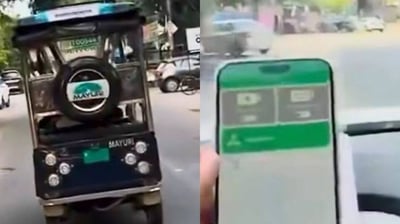
The Indian government has taken strict action against three smartphone applications that were being used to remotely shut down moving electric rickshaws. The Ministry of Electronics and Information Technology directed tech giants Google and Apple to immediately ban and pull down BAT BMS, Lossigy, and Epoch i ion from their mobile application stores. These applications, which were originally created to monitor and test Bluetooth enabled lithium ion battery packs, fell into the hands of mischief makers and pranksters. Over the last few days, multiple videos went viral on social media platforms showing individuals using these tools to detect nearby e rickshaws and cut off their power supply instantly with a simple tap on their phones. This sudden loss of power caused heavy traffic jams in major cities and left poor drivers stranded on busy roads, unable to figure out why their vehicles suddenly died.
The trouble started because of how mass market electric vehicle components are designed and distributed. Many small scale manufacturers import low cost lithium ion batteries equipped with universal Battery Management Systems that feature built in Bluetooth connectivity. These three specific applications allowed anyone within a short wireless range to scan for active battery signals without requiring any strong security password or unique pairing pin. Once connected, a user could easily trigger a remote shutdown command meant only for emergency maintenance. This allowed random people to lock or turn off the engines of passing three wheelers. While it started as a dangerous online prank trend, it quickly turned into a major security threat because disabling a vehicle in the middle of fast moving traffic can cause severe road accidents, put passenger lives at risk, and open up opportunities for extortion.
While the government did the right thing by removing these harmful platforms quickly to protect public safety, this entire situation highlights a much bigger structural weakness in the electric vehicle ecosystem. Banning a few applications from the internet stores only addresses the surface of the problem because the actual flaw lies in the unprotected hardware installed inside thousands of running vehicles. Anyone can still download these application files directly from third party websites or use alternative network tools to scan unprotected Bluetooth signals. The fact that standard vehicle batteries can be hacked so easily by random pedestrians shows that safety checks for electric vehicle parts are not strict enough. Relying only on digital blocks does not change the reality that thousands of vulnerable battery packs are already operating on public roads today.
Looking forward, this event must serve as a major warning for the green energy transport sector. Simply focusing on making electric vehicles cheap and accessible is not enough if the basic technology remains open to cyber threats. The government and automotive regulators need to introduce strict manufacturing rules that force battery companies to use encrypted communication protocols, unique pairing passwords, and secure firewalls. App stores must also use better filtering methods to catch tools that can alter physical machinery before they become public. True safety will only happen when vehicle electronics are designed to block unauthorized outside commands completely, ensuring that green transport remains safe and reliable for every daily commuter.