
Government Order Withdrawal Of FIR Against CJP Protesters Legally Complex Says Experts
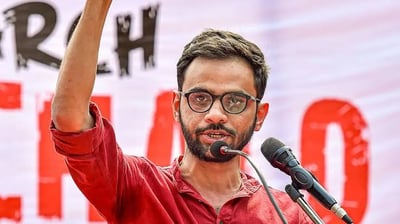
As political demands grow across multiple state capitals following recent nationwide student agitation over exam paper leak controversies, state governments are facing intense public pressure to drop criminal cases registered against youth demonstrators. On 2 August 2026, several political leaders publicly promised that all first information reports registered against young activists associated with the Cockroach Janta Party during recent street protests would be unconditionally withdrawn. However, legal experts and constitutional scholars emphasize that state governments do not possess unilateral executive authority to simply cancel or erase criminal complaints once they enter the official judicial system. The process of withdrawing criminal proceedings involves strict statutory guidelines and mandatory judicial oversight designed to prevent political interference in the administration of justice.
The legal mechanism governing the withdrawal of criminal cases is framed under Section 321 of the Code of Criminal Procedure 1973, which corresponds to Section 360 of the Bharatiya Nagarik Suraksha Sanhita 2023. Under this statutory provision, the decision to withdraw a case lies exclusively within the independent discretion of the appointed Public Prosecutor or Assistant Public Prosecutor handling the trial court. While a state government can issue administrative directives advising the prosecutor to initiate withdrawal proceedings in the broader interest of public peace, the prosecutor is legally required to exercise an independent mind rather than functioning as a mere rubber stamp for political executive directives. The prosecutor must satisfy themselves that withdrawing prosecution serves the public interest, preserves communal harmony, or prevents abuse of the judicial process.
The most critical hurdle in withdrawing police complaints is the mandatory requirement for judicial sanction from the presiding magistrate or trial court judge. When the prosecutor submits a formal application seeking permission to withdraw charges against Cockroach Janta Party protesters, the court examines the request to verify whether the application is made in good faith and without political coercion. Indian courts have consistently ruled through numerous landmark judgments that trial judges are not required to automatically grant government requests for case withdrawals. If a court finds that the withdrawal application aims to shield individuals accused of serious violent offenses, property destruction, or physical assault on law enforcement personnel, the magistrate retains full legal power to reject the government petition and order the trial to proceed.
Further complicating executive efforts to drop charges is the legal right of private complainants and victims to challenge withdrawal applications in court. In instances where street agitation led to damage of private vehicles, destruction of public property, or injuries to police personnel on duty, affected individuals can file formal objections against the prosecutor's withdrawal motion. Courts routinely hear these victim petitions before deciding whether to terminate proceedings, ensuring that executive decisions do not override individual legal remedies. While state governments frequently announce mass case withdrawals following popular political demonstrations to soothe public anger, actual legal clearance remains a lengthy, case by case judicial process governed by strict constitutional checks and balances.