
Iran Stays At Peace Table Despite US Strikes Is Netanyahu Provoking Trump To Keep Bombarding Iran
The fragile peace process between the United States and Iran faces its most severe test yet after Washington launched targeted air strikes against Iranian military installations. This aggressive development represents the very first direct military action taken by the United States since the implementation of the April eighth ceasefire framework, which had successfully paused months of devastating regional warfare. According to official military statements, American forces targeted specific missile launch sites and specialized naval vessels that were allegedly preparing to deploy fresh naval mines across the economically vital Strait of Hormuz. The Iranian foreign ministry immediately issued a fierce diplomatic denunciation, officially categorizing the overnight air raids as a definitive violation of the agreed truce and an act of absolute bad faith. Despite the intense rhetoric and the reported deaths of four Iranian soldiers during the operations, Tehran has made a calculated strategic decision to remain actively engaged in the ongoing diplomatic talks rather than initiating immediate, escalatory military retaliation.
The continuation of these delicate discussions highlights a powerful mutual desire to secure an exit strategy from a conflict that has severely damaged regional stability and global energy security. Iranian Parliamentary Speaker and Chief Negotiator Mohammad Bagher Ghalibaf has remained firmly stationed in Doha, Qatar, actively working alongside international mediators from Qatar and Pakistan to finalize a fourteen point preliminary memorandum of understanding. The core of the current diplomatic friction revolves around the immediate unfreezing and structured transfer of over twelve billion dollars in blocked Iranian financial assets currently held in international accounts. Tehran has established a rigid negotiating position, asserting that no future agreements regarding long term nuclear enrichment limits or permanent maritime security can be successfully executed without the prior, guaranteed release of these massive state funds. This deep seated economic necessity has effectively forced the Iranian leadership to tolerate localized military provocations to ensure the survival of an agreement that could rescue their isolated domestic economy.
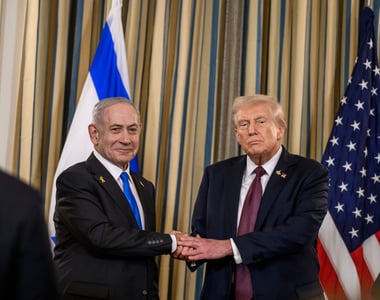
The critical geopolitical question emerging from this sudden escalation is whether Israeli Prime Minister Benjamin Netanyahu is actively provoking Donald Trump to keep bombarding Iran in order to derail the emerging peace treaty. Highly placed intelligence sources and political analysts note that Tel Aviv feels completely sidelined by Washington rapid, direct diplomatic engagement with Tehran, which has left Israel out of the primary negotiating loop in Doha. Following Netanyahu explicit directives to sharply intensify military operations and launch fierce air strikes across southern Lebanon, security experts suggest this localized escalation is a deliberate tactical maneuver designed to drag American forces back into an active, open-ended conflict. By systematically striking Iranian backed assets at the border, the Israeli leadership hopes to trigger a massive counter-response from Tehran that would force President Trump to abandon his diplomatic exit strategy and resume heavy bombardment campaigns, thereby keeping the ultimate goal of structural regime change alive.
Furthermore, the domestic political stakes surrounding these high level negotiations have placed immense pressure on the newly established leadership hierarchies within Iran. Following the assassination of the previous supreme leader during the opening phases of the war, Supreme Leader Mojtaba Khamenei is facing severe internal resistance from conservative parliamentary factions who vehemently oppose any reduction of Iranian sovereignty over the Strait of Hormuz. The regime is attempting to manage public perception by framing the potential treaty as a historic monument of national resistance that successfully forced the West to lift crippling naval blockades and recognize Iranian geopolitical influence. Yet, the reality remains that unless a highly transparent, tightly regulated financial mechanism is established to transfer the contested twelve billion dollars without external interference, the entire peace initiative could instantly collapse back into full scale war. For global energy markets that have seen oil prices fluctuate wildly, the coming days in Doha will determine whether this treaty marks the genuine beginning of structural de-escalation or merely a brief pause before an even more destructive wave of global military confrontation.