
Mamata Banerjee Rejects Exit Polls and Claims Massive Victory for Maa Mati Manush Government in Bengal
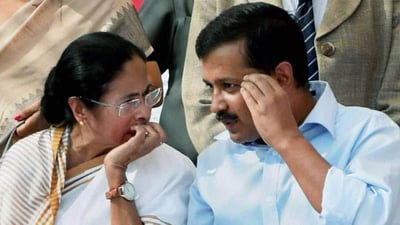
Following the conclusion of the high-stakes 2026 West Bengal Assembly elections, Chief Minister Mamata Banerjee has launched a fierce counter-offensive against exit poll results that suggest a potential upset. While multiple pollsters like Matrize and P-MARQ have projected the BJP reaching between 146 and 175 seats—crossing the majority mark of 148—Banerjee has dismissed these figures as "consolation for the share market". In a video message posted on X on April 30, 2026, the Trinamool Congress (TMC) supremo remained defiant, predicting that her party would not only retain power but surpass its previous performance by winning more than 226 seats. Her rejection of the "BJP edge" narrative reinforces her long-standing branding of the TMC as the government of "Maa, Mati, Manush" (Mother, Land, and People).
The 2026 election has been described as a "make-or-break" battle, marked by a massive voter turnout exceeding 90% across both phases of polling. The exit polls have revealed a deeply divided landscape: while most agencies lean toward a BJP victory, others like People's Pulse project a comfortable win for the TMC with up to 187 seats. This stark contrast between pollsters suggests that the ground reality in Bengal is far from a uniform wave. Banerjee’s critical stance on the polls reflects a strategic move to keep party cadre morale high as the state moves toward the official counting day on May 4. She has consistently argued that ground-level support for her social welfare schemes will outweigh the aggressive campaigning and resources of the opposition.
The atmosphere in Bengal remains volatile as both sides claim a historic victory. BJP leaders have credited their projected gains to the "hard work of lakhs of party workers" and a desire for change after 15 years of TMC rule. However, Banerjee has countered by alleging harassment of TMC workers by the CRPF and questioning the validity of conducting polls under such heavy security. This narrative of "outsider influence" versus "local identity" has been a cornerstone of the TMC campaign. By doubling down on the "Maa, Mati, Manush" slogan, the Chief Minister is attempting to frame the election result not just as a political outcome, but as a defense of Bengal’s cultural and social fabric against external political forces.
As the state enters the cooling-off period before the results are declared, the tension is palpable. The exit polls have effectively set the stage for a high-drama counting day, where even a few seats could swing the mandate. Whether the "silent voters" favored the incumbent government's welfare model or the opposition's promise of a "historic first-time victory" remains the biggest question in Indian politics today. Mamata Banerjee’s outright rejection of the polls ensures that regardless of the final numbers, the political battle for Bengal is far from over. The world now waits for May 4 to see if the "fortress" has truly crumbled or if the "Maa, Mati, Manush" government has secured its most significant mandate yet.