
MIT Chemistry Lab Evacuated After Student Claims Making Deadly Chemical
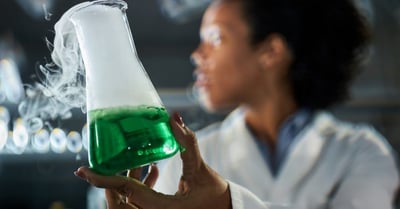
A major chemical emergency disrupted the Massachusetts Institute of Technology after a chemistry graduate student informed hospital doctors that they had created dimethylmercury, one of the deadliest poisons known to science. The sudden announcement triggered an immediate high-level deployment of regional hazardous materials teams, medical specialists, and environmental cleanup units across university facilities. The incident began when the student visited the emergency room at Massachusetts General Hospital late in the evening, reporting possible direct contact with the dangerous liquid.
Campus safety officials acted immediately after receiving the alert from hospital staff. The university environmental safety department joined city fire crews and ambulance teams to start emergency operations. Officials quickly locked down Building 18, the main chemistry building on campus where hundreds of researchers work daily. Doors were sealed shut, and specialized hazardous material experts entered the building to secure the student work area and test surfaces for toxic contamination.
The student dormitory room at Ashdown House was also isolated as a safety precaution. Hazardous waste disposal teams carried out detailed cleaning operations, wiping down shared areas and removing items that could have touched the substance. While residential living spaces were declared safe and reopened quickly, the entire chemistry building stayed closed for several days so safety teams could complete full air and surface checks.
University leadership confirmed that the student had no permission to order, store, or make dimethylmercury. The chemical had nothing to do with the student approved academic research projects. Department heads immediately started an internal inquiry to find out how materials were handled. Officials clearly stated that creating such extreme poisons is strictly banned across all standard campus laboratories.
The widespread alarm caused by dimethylmercury comes from its extreme power to harm the human body. Unlike ordinary mercury, this chemical is an oily liquid that easily passes through human skin and enters the bloodstream. A single drop can deliver a fatal dose. Ordinary laboratory gloves made of latex or nitrile offer zero protection because the chemical seeps straight through them in just a few seconds.
Medical experts fear this substance because it acts like a silent trap. After entering the body, the poison travels straight to the brain while the person feels completely healthy for several months. By the time early warning signs appear, including poor balance, slurred speech, and loss of sight, severe brain damage has already taken place. At that late stage, standard medical treatments and antidotes cannot reverse the damage.
The global scientific community learned this painful lesson in 1997 following the death of Dartmouth College chemistry professor Karen Wetterhahn. She was an experienced scientist studying heavy metals when a couple of drops accidentally spilled onto her gloved hand. Even though she wore standard lab safety gear, the poison passed right through the glove. She fell ill months later and passed away, leading universities worldwide to ban the chemical from regular lab use.
As safety checks continued at MIT, fresh medical tests brought surprising news. On August 29, 2026, university leaders shared an update confirming that the student initial hospital blood tests showed 0 evidence of mercury poisoning. Scientific tests inside the laboratory also suggested that the student likely never succeeded in producing the lethal substance.
Even with the positive medical news, the university kept the chemistry facility locked down through the weekend to finish thorough testing by environmental experts. The incident showed the strong security steps academic universities take to keep research spaces safe for students and staff.
The rapid action by Boston emergency services and university staff highlighted how modern laboratories manage chemical dangers. When dealing with extreme poisons, safety teams must lock down facilities immediately rather than waiting days for lab test confirmations. The event serves as a clear reminder of why strict laboratory rules exist to protect researchers and the public from hazardous substances.