
Modi Government Approves IDBI Bank Stake Sale to Fairfax as Bank Unions Call Nationwide Strike on December 3
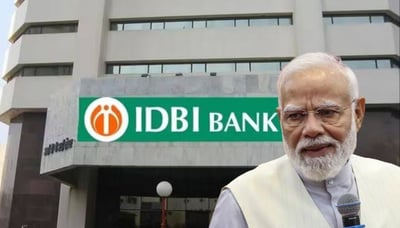
Banking services across India could face widespread disruption next month after three major bank employee and officer unions called for a nationwide strike on December 3, 2026. The protest is aimed directly against the central government decision to sell a controlling 60.72 percent stake in IDBI Bank to Canada-based Fairfax Financial Holdings. By joining forces with IDBI Bank internal staff unions and echoing criticism from the Congress party, public sector bank employees have turned the strategic sale into a major national debate.
The controversy stems from a decision made by the Union Cabinet Committee on Economic Affairs in October 2026, which cleared Fairfax Financial Holdings, founded by Canadian billionaire Prem Watsa, as the strategic buyer for IDBI Bank. Under the 52,878 crore rupee transaction priced at 81 rupees per share, Fairfax is set to acquire 30.48 percent equity from the Government of India and 30.24 percent from the Life Insurance Corporation of India. Currently, the central government holds 45.48 percent in the bank while LIC holds 49.24 percent, meaning the sale will hand over management control of the institution to a foreign private entity.
According to union leaders representing public sector bank employees and officers across the country, handing over a major domestic lender with deep roots in nation-building and industrial financing to a foreign private buyer goes against public interest. Earlier in November 2026, members of the IDBI Officers Association had already staged a two-day nationwide hunger strike and organized protests demanding that the privatization plan be rolled back. Union representatives have warned that selling majority control could weaken job security, alter service conditions, and reduce the bank focus on social and priority sector lending.
The Congress party has also strongly opposed the stake sale, criticizing the Modi government disinvestment policy and questioning the transfer of a key Indian financial institution to a foreign investor. Opposition leaders have argued that IDBI Bank was originally established to support India industrial growth and infrastructure, and they maintain that strategic national assets should remain under domestic public oversight rather than being sold off to raise budget revenues.
On the other hand, government officials and supporters of economic reform have defended the IDBI Bank disinvestment as a transparent and necessary step to strengthen the banking sector. From the administration perspective, bringing in a well-capitalized strategic investor like Fairfax will inject fresh capital, introduce modern management practices, and allow the bank to grow competitively without relying on taxpayer money. Officials also point out that the government and LIC will still retain a combined minority stake of around 34 percent in the lender after the transaction is completed.
For everyday bank customers, pensioners, and small business owners across the country, the December 3 strike call serves as an early alert to plan essential branch transactions in advance. While digital payment apps and online banking channels are expected to function normally, physical branch operations such as cash deposits, cheque clearances, and counter services could see delays if bank staff participate in large numbers.
With the December 3 strike date approaching and both employee unions and political parties sharpening their stance against the Fairfax deal, the IDBI Bank stake sale remains at the center of India debate over public sector ownership and banking privatization.