
Myanmar Migrants Arrive From Malaysia As Mass Deportations Trigger Global Alarm Over Active War Zone Dangers
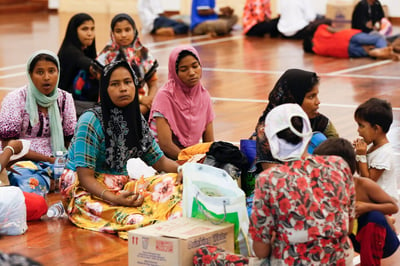
A flotilla carrying nearly fifteen hundred displaced men and women arrived at the southern port of Yangon, completing a long journey by sea that has triggered sharp warnings from international monitors. The returnees stepped off two naval warships and an accompanying medical vessel after days at sea, returning to a country shattered by ongoing fighting, widespread destruction, and political turmoil. For many of the people on board, the arrival marked the sudden end of years spent working in low-paying manual jobs abroad, only to be placed back in the very environment of danger and instability they had originally fled.
The mass transfer was carried out by authorities in Malaysia, where government agencies have intensified nationwide sweeps against undocumented foreign workers. Official statements issued by Myanmar state media reported that the group of returnees included eighty-six women and dozens of men who had been convicted in Malaysian courts of immigration violations, overstaying visas, or lacking legal residency papers. While authorities framed the journey as a regular return of immigration offenders, humanitarian organizations pointed out that sending vulnerable families back into an active war theater violates basic principles of international protection.
The United Nations High Commissioner for Refugees and prominent human rights defenders repeatedly cautioned against sending civilians back to Myanmar. International observers emphasized that the country remains in deep chaos following the military takeover that ousted the elected civilian government. Armed clashes continue across multiple regions, with heavy airstrikes, destroyed villages, and millions of displaced people struggling for food and safety. Under well-established global legal norms, governments are strictly prohibited from expelling refugees and asylum seekers to territories where their lives, freedom, or physical safety remain under grave threat.
Despite these clear international warnings, the Malaysian government went ahead with the large-scale transfer. In recent months, political discussions within Malaysia have focused heavily on undocumented migration, with public officials promising tighter borders and regular deportation runs. Government leaders claimed that all returnees had agreed to travel voluntarily. However, rights advocates strongly contested this claim, noting that undocumented migrants held inside crowded detention centers for months on end face impossible pressures, leaving them with no meaningful freedom of choice.
Adding to the alarm, United Nations representatives were denied access to the migrant camps before the naval ships set sail. Humanitarian workers were barred from conducting independent face-to-face interviews to determine whether any of the detainees qualified for formal refugee protection or feared targeted persecution. Without neutral oversight, it remains impossible to verify how many of the returnees belong to persecuted minority groups, such as the Rohingya, who face extreme institutional discrimination and danger within Myanmar.
Upon their arrival in Yangon, local authorities promised that the returnees would be received with dignity, given basic health checks, and helped to reach their home villages. Yet rights organizations express deep skepticism about how these individuals will be treated by security forces once public attention fades. Under current emergency laws, returning military-age citizens face forced conscription into the armed forces, while individuals suspected of supporting opposition networks or fleeing military service risk long prison sentences, harsh interrogation, and physical abuse.
The deportation of fifteen hundred people is only the first stage of a much larger official campaign. Malaysian authorities have announced plans to send back approximately five thousand Myanmar citizens in phased operations, even as more than ten thousand others remain locked inside detention camps across the country. Human rights watchdogs warn that treating war-displaced migrants simply as regular immigration offenders ignores the brutal realities of the ongoing conflict, setting a troubling precedent for neighboring countries facing similar refugee movements.
The unfolding crisis demonstrates the extreme vulnerability of displaced populations trapped between harsh migration laws abroad and violent conflict at home. As long as internal warfare divides Myanmar, returning displaced citizens by force will remain a dangerous practice that risks innocent lives. Human rights organizations continue to appeal to Southeast Asian governments and regional bodies to halt forced deportations immediately, provide temporary legal shelter, and guarantee that no one is sent back into harm's way without independent international oversight.