
Nitin Gadkari Announces National Toll Plaza Removal Drive at 80 kmph Without Stopping by End of 2026
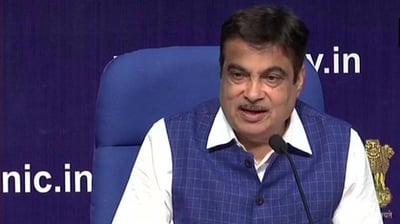
The landscape of Indian highways is set for a historic transformation as Union Minister for Road Transport and Highways Nitin Gadkari recently announced that all physical toll plazas will be removed by the end of 2026. Speaking at a major automotive summit in May 2026 the Minister detailed a vision where commuters can drive at speeds of up to 80 kmph without ever having to slow down or stop for a toll payment. This ambitious plan relies on the transition from the current barrier based FASTag system to a sophisticated Multi Lane Free Flow or MLFF system. By replacing traditional booths with overhead gantries equipped with high tech sensors the government aims to create a truly seamless travel experience that matches international standards in logistics and passenger convenience.
The technology powering this shift is a combination of Automatic Number Plate Recognition or ANPR cameras and Global Navigation Satellite System or GNSS tracking. Under the new framework high performance cameras will capture vehicle details in real time as they pass through virtual tolling points. For vehicles equipped with specialized on board units the system will track the exact distance traveled via satellite and deduct the corresponding fee directly from the linked bank account or FASTag wallet. This eliminates the long queues and fuel wastage typically associated with toll gates. Interestingly the government has also proposed a rule where vehicles can travel for free up to 20 kilometers in each direction every day on national highways if they are equipped with the latest satellite tolling technology.
A critical look at this transition suggests that while the convenience factor is undeniably high there are significant operational hurdles to overcome. Transitioning millions of older vehicles to include satellite compatible on board units is a massive logistical challenge that requires a clear secondary market strategy. Furthermore the reliance on high speed data and AI for number plate recognition must be foolproof to avoid incorrect billing or technical disputes. However the economic benefits appear to outweigh these concerns in the long run. By removing the stop and start nature of highway travel the government expects to save thousands of crores in fuel costs and significantly reduce vehicular emissions. It also streamlines the movement of goods which is essential for boosting the country manufacturing and export sectors by lowering overall logistics costs.
The removal of toll plazas represents more than just a technological upgrade it is a shift toward a more disciplined and efficient transport economy. For the average driver the biggest change will be the psychological ease of an uninterrupted journey where the road feels truly open. As the Ministry begins the phased rollout across major corridors like the Delhi Jaipur and Bangalore Mysore highways the success of these pilots will determine the final speed of the nationwide implementation. By December 2026 the sight of long lines of cars waiting at concrete barriers could become a thing of the past. This initiative ensures that the future of Indian road travel is built on the pillars of speed transparency and digital integration making every highway trip faster and more economical for all citizens.