
Petrol and Diesel Prices Expected to Rise as Oil Companies Face 30000 Crore Monthly Loss
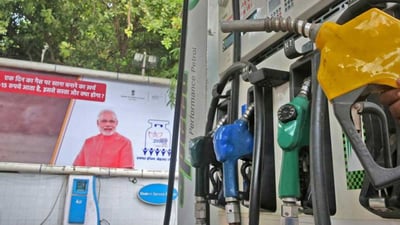
The Indian fuel market is currently facing an unprecedented financial strain as state owned Oil Marketing Companies including IOC BPCL and HPCL report combined monthly under recoveries of nearly 30000 crore. This massive deficit is a direct result of global crude oil prices surging toward 126 dollars per barrel while domestic retail prices for petrol and diesel have remained largely frozen for over four years. The primary driver of this energy shock is the ongoing conflict in West Asia which has severely disrupted shipping through the Strait of Hormuz a critical chokepoint for global energy trade. As a result the cost of importing crude has skyrocketed forcing Indian oil firms to absorb significant losses to shield the general public from a sudden inflationary spike.
Recent briefings from the Union Petroleum Ministry suggest that the government and oil companies have been absorbing a burden of approximately 18 to 24 rupees per litre on petrol and up to 35 rupees per litre on diesel. While the government has already implemented excise duty cuts to provide some relief sacrificing around 14000 crore in monthly revenue the remaining gap is becoming unsustainable for the oil companies balance sheets. Industry analysts indicate that a retail price revision is likely before May 15 2026 to help narrow this under recovery gap. While the government has prioritized consumer stability so far the sheer magnitude of the daily losses which range between 700 to 1000 crore makes a small price adjustment of 2 to 5 rupees per litre look increasingly inevitable in the coming days.
From a broader perspective the current situation highlights the delicate balancing act between fiscal responsibility and social welfare in a developing economy. By holding prices steady during a global crisis India has managed to avoid the extreme fuel rationing and 30 percent price hikes seen in many European and Asian nations. However this protection comes at the cost of the financial health of the energy sector. A deeper look into the supply chain reveals that while retail consumers are shielded industrial and commercial users are already feeling the pinch. Bulk diesel and commercial LPG prices have seen sharp increases recently as a way to cross subsidize the fuel used by the general public. This segmented approach helps keep essential transport costs low for the masses but places a heavy burden on the logistics and hospitality sectors.
The fuel price situation in India has reached a critical junction where international geopolitical tensions are directly impacting local economics. The conclusion of recent state elections has also removed a significant political barrier to price revisions leading many to believe that the long standing price freeze will finally end this week. As of May 10 2026 petrol prices in Delhi remain at 94.77 while in Mumbai they stand at 103.54. In Hyderabad the price is approximately 107.50 reflecting the variation in local taxes. For the average commuter the upcoming days will be crucial as the government decides how much of the global price hike must be passed on to the pump. Maintaining the current status quo may save the consumer today but the long term investment capacity of oil companies in green energy and refining infrastructure depends on a more sustainable pricing model.