
Pacific Ocean Temperatures Hit Historic 30 Degrees Celsius As Super El Nino Threatens Global Weather Patterns
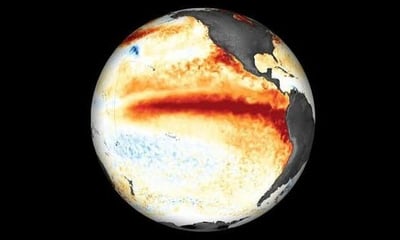
A startling heat wave is unfolding across the vast waters of the Pacific Ocean, setting off urgent alarms among weather experts across the planet. Scientists tracking sea surface readings have observed water warmth reaching levels never seen before in modern history. Deep in the open ocean, the surface water has turned unusually warm, transforming the vast body of water into a powerful engine that can change weather thousands of miles away. What happens out in the blue waters of the Pacific does not stay there, as the heat directly impacts daily wind patterns, cloud formations, and the timing of rain showers for regular people living on land.
Satellite readings gathered by international marine monitoring agencies confirmed that sea surface temperatures in the central tropical Pacific crossed the critical threshold of thirty degrees Celsius. This reading represents a level that has never appeared in official records kept over decades. Marine experts explain that while small patches of tropical waters can sometimes get warm, having such a wide area of open ocean reach thirty degrees Celsius is completely extraordinary. This rapid warming indicates that the ongoing El Nino event is growing far stronger than initially predicted, raising serious concerns about how communities around the world will cope with wild weather shifts.
To understand why this matters to everyday families, one must look at how the Earth breathes and moves its air. Under ordinary circumstances, strong trade winds push warm surface water toward the western side of the ocean, allowing cool, nutrient-rich water to rise from the depths along the eastern side. During an El Nino event, those regular winds weaken or even reverse direction. When that happens, hot water spreads east across the central ocean like a giant blanket. This huge pool of warm water releases immense amounts of heat and moisture straight into the sky, pushing rain clouds away from places that normally need them and dropping heavy rain on places that cannot handle the deluge.
The critical reading was officially recorded on 22 October 2026, when measuring instruments tracked the water temperature crossing the thirty-degree line. Climate monitoring groups, including the United States National Oceanic and Atmospheric Administration, documented the historic shift. What makes this development even more worrying for scientists is the timing. Typically, an El Nino reaches its absolute strongest point toward the end of the year, around December. Because this temperature record was shattered well before the usual peak season, specialists warn that the ocean could warm even further before conditions begin to calm down.
The head of the World Meteorological Organisation described the situation as completely off the charts compared to the monitoring tables scientists have used for the past forty years. International agencies pointed out that the warming has developed so fast that it breaks earlier models. Leaders of global weather bodies warned that the power of this current climate phase will not vanish quickly. Even after the ocean water eventually stops warming, the massive amounts of energy pushed into the atmosphere will continue to alter storms, drought patterns, and seasonal winds well into 2027.
The practical consequences of this ocean heating will touch millions of ordinary households, particularly in agricultural nations across South Asia, Africa, and the Americas. In countries like India, where millions of farming families depend on steady monsoon rains to grow rice, wheat, and vegetables, a powerful El Nino often brings dry spells and sudden water shortages. When rains fail or arrive too late, reservoir levels fall and farmers struggle to irrigate their crops. This drop in crop harvests quickly leads to higher food prices at local grocery markets, making basic meals more expensive for working families.
Beyond agriculture, extreme heat poses a direct danger to public health and local economies. Above-normal temperatures are now predicted to spread across wide parts of the globe over the upcoming winter and spring seasons. Cities could face extended heat conditions during times of the year that are usually mild or cool. This prolonged warmth puts heavy pressure on power grids as homes and offices run cooling fans and air conditioning systems continuously, increasing the risk of electricity cuts. In rural areas, heat speeds up the drying out of soil, making lands vulnerable to dust storms and rapid forest fires.
Marine life living beneath the Pacific waves faces immediate survival threats as well. Coral reefs, which serve as home and feeding grounds for thousands of fish species, are extremely sensitive to warm water. When ocean temperatures climb past their natural comfort zones, corals turn pale white in a process known as bleaching. If the hot water stays for weeks, the coral structures die off, destroying the natural nurseries of marine species. This directly impacts local fishing communities, where small boat operators return to shore with empty nets, losing their daily income and food supply.
While nature has always experienced warm and cold cycles, experts note that this record-breaking heat is occurring on top of steady long-term global warming. As human activities produce more greenhouse gases, the oceans absorb more than ninety percent of that trapped heat. As a result, each new natural warming cycle starts from a warmer baseline, pushing water temperatures into territory never before witnessed in human history. The current thirty-degree ocean temperature serves as clear evidence that the natural climate system is being stretched beyond its traditional boundaries.
Government leaders, emergency disaster teams, and regional planners are now preparing for unpredictable months ahead. Water management authorities are reviewing reservoir stocks to save drinking water, while agricultural departments are advising farmers to consider hardy crops that can survive with less moisture. The record heat in the Pacific Ocean is a powerful wake-up call, showing that changes happening far away in deep waters can quickly shape the price of food, the safety of drinking water, and the daily comfort of life in every neighborhood around the globe.