
Saudi Prince Died At London Hotel After Taking Cocktail Of Drugs Alcohol Cannabis Xanax
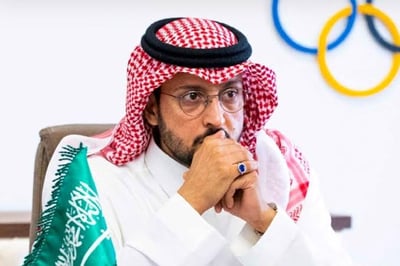
The quiet luxury of the Marriott Hotel in Kensington turned into the scene of a tragic mystery on 25 November 2025, when hotel staff made a heart-wrenching discovery on the 5th floor. Inside a room that cost 600 Euros per night, 29-year-old Saudi Prince Abdullah bin Fahad bin Abdullah bin Abdulaziz bin Jalawi Al Saud lay unresponsive on the bathroom floor, fully clothed. Housekeeping had knocked multiple times without receiving any response before opening the locked suite. Emergency medical teams rushed to the scene within minutes, performing urgent revival procedures, but paramedics were unable to save him. The young member of the Saudi ruling family was pronounced dead at the scene, leaving investigators with an immediate mystery surrounding what caused a healthy young man to suffer a sudden cardiac arrest behind locked doors. Security footage from the previous evening showed the prince stepping outside alone for a brief cigarette break before returning to his room for the night, with no signs of distress or any 3rd party entering his room.
Detailed official investigations and medical evidence presented before Assistant Coroner Jean Harkin at the Inner West London Coroner Court in July 2026 finally revealed the tragic timeline leading to his death. Forensic toxicology reports uncovered a lethal cocktail of substances active within his body at the moment of his sudden collapse. Tests revealed his blood alcohol concentration stood at 222 mg per 100 ml of blood, which is nearly 3 times the legal driving limit of 80 mg in England. Medical experts testified during the inquest that this elevated level of alcohol by itself was potent enough to plunge an individual into a deep coma. However, alcohol was only 1 component of a much dangerous chemical mix. Laboratory screenings detected toxic levels of GHB, a powerful central nervous system depressant commonly known as a party drug, along with traces of recreational cannabis, alprazolam or Xanax, and other prescription anti-anxiety medications. The toxic interaction of these depressants triggered a massive cardiac arrest, stopping his heart completely.
What makes this tragedy particularly heartbreaking is that Prince Abdullah had spent months actively trying to overcome his personal health struggles. Only 3 months prior to his death, in August 2025, the prince voluntarily checked himself into the renowned Priory Hospital in Roehampton, a premier private facility in southwest London where residential rehabilitation can cost up to 35000 Euros per week. Medical records presented to the court showed that he successfully completed a comprehensive medical detoxification program for alcohol, benzodiazepines, and pregabalin under the care of specialist clinicians. Consultant psychiatrist Dr Victoria Chamorro confirmed that he engaged very well during his stay and suffered no physical complications during detox. Seeking further support, he later transferred to Rainford Hall, another private rehabilitation facility in Merseyside charging around 7000 Euros weekly, where he completed further care and recovered from a respiratory infection before being formally discharged on 14 October 2025.
The tragic outcome illustrates a dangerous medical reality well recognized by global addiction specialists regarding post-rehabilitation relapse risks. When a person completes intensive residential treatment, their bodily tolerance to chemical substances drops dramatically within just a few weeks. If an individual returns to using substances after a period of total abstinence, taking doses similar to what they previously tolerated can easily prove fatal. The human brain and heart can no longer withstand the heavy metabolic strain, especially when multiple central nervous system depressants are combined together. Mixing alcohol with GHB and benzodiazepines like Xanax creates an exponential sedative effect that slows down breathing, severely lowers blood pressure, and disrupts normal cardiac rhythm. Even in the absence of any prior underlying organ disease, as confirmed by the post-mortem examination, this overwhelming biochemical pressure forces the heart into sudden cardiac arrest within a matter of minutes.
Following a thorough review of police findings, surveillance recordings, and medical reports, the coroner officially recorded a verdict of death by misadventure. Assistant Coroner Jean Harkin confirmed that there was no evidence of self-harm, no suicide note, and no indication of foul play or 3rd party involvement. The official Saudi Royal Court later acknowledged his passing, with traditional funeral prayers arranged at the VIP Imam Turki bin Abdullah Mosque in Riyadh. Ultimately, this tragic event serves as a deeply human reminder that wealth, royal status, and elite healthcare access cannot alter basic human biology. The loss of a young life highlights how quickly an unintended choice can turn catastrophic when potent substances intersect, leaving behind a solemn lesson on the invisible struggles that individuals carry behind closed doors.