
Sheikh Hasina Extradition Not Easy for Bangladesh as India Puts Tough Conditions Before Dhaka
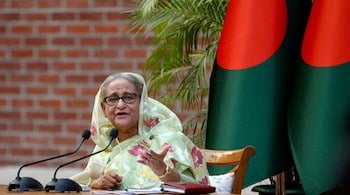
Deporting ousted Bangladesh Prime Minister Sheikh Hasina from India is proving to be far from an easy task for Dhaka, as New Delhi has reportedly laid down tough conditions before agreeing to her return. According to a detailed report by BBC Bangla, the Indian government is unwilling to simply hand over its longtime ally without rock-solid guarantees regarding her physical safety and legal rights. For more than two years, Hasina has been living in India as an official guest after fleeing Dhaka during a massive student-led uprising. While the current administration in Bangladesh has repeatedly demanded her immediate extradition, New Delhi has made it clear that any handover can only happen if Dhaka fulfills two strict terms first.
The first major condition put forward by India directly involves the Bangladesh military. Indian officials have reportedly told Dhaka that the Bangladesh Army must take complete responsibility for escorting the former prime minister back home. When Hasina fled Dhaka on August 5, 2024, she arrived in India aboard a military aircraft operated by the Bangladesh Army. New Delhi now insists that the very same institution oversee her return journey so that her personal safety is protected and public order is maintained. According to the report, this transfer could happen either by air, with Bangladesh sending a military plane to New Delhi, or by land, where Bangladeshi soldiers would receive her at a designated crossing along the international border with India providing logistical support.
The second tough condition set by New Delhi focuses on the severe legal dangers waiting for Hasina in her home country. A Bangladeshi court has already convicted the former leader in absentia and sentenced her to death over allegations connected to the deadly crackdown on protesters during the July 2024 unrest. Indian officials have stated firmly that New Delhi cannot knowingly hand over a former head of state and close friend to face immediate execution. Instead, India wants the Bangladesh government, currently led by Prime Minister Tarique Rahman, to guarantee that Hasina will be allowed to formally appeal against her death sentence and receive a completely fresh and fair trial. An unnamed Indian Ministry of External Affairs official quoted in the report stressed that New Delhi also wants these court proceedings to take place under the close watch of the international community and global media so that justice is transparent.
Behind the scenes, Indian policymakers had initially explored the option of helping Hasina relocate to a third country rather than sending her back to Bangladesh. However, repeated diplomatic efforts to find another host nation reportedly failed for various reasons, leaving a carefully managed return to Dhaka as the most practical path forward. At the same time, officials in New Delhi believe that if Hasina's Awami League party hopes to revive its political strength in Bangladesh, the 79-year-old leader must return home and take personal charge of her party on the ground. Regular conversations between Indian security officials and Hasina reportedly helped both sides reach a shared understanding on this plan, prompting her to publicly announce her intention to return in December 2026.
To prepare for her planned journey, Hasina took her first official step toward contacting Bangladeshi authorities since her ouster by applying for a fresh passport and national identity documents at the Bangladesh High Commission in New Delhi on November 9, 2026. However, the reaction from Dhaka has been sharply negative, showing just how wide the gap remains between the two neighbors. Senior prosecutors and ministers in Bangladesh have ruled out issuing a passport to a convicted fugitive and continue to insist that India must extradite her under existing treaties without attaching special conditions. Responding to media questions during a weekly briefing, Indian Ministry of External Affairs spokesperson Randhir Jaiswal maintained India's cautious public stance, stating briefly that extradition is a legal matter that will be dealt with accordingly, while declining to confirm any backchannel conditions.
Despite the clear risks waiting for her in Dhaka, Hasina has stated publicly that she is mentally prepared for whatever happens once she steps back onto Bangladeshi soil. In a recent audio message, the former prime minister acknowledged that she could be arrested the moment she lands, thrown into prison, or even face attempts on her life. Drawing comparisons to her past returns to Bangladesh under military rule in 1981 and again in 2007, she insisted that fear has never stopped her from standing by her political supporters and doing what she believes is right.
With diplomatic talks such as the bilateral consular dialogue already postponed and political anger running high in Dhaka, deporting or returning Sheikh Hasina remains a complicated diplomatic puzzle. Neither the Indian government nor the Tarique Rahman administration has officially confirmed the reported conditions. For now, New Delhi has made its position clear that humanitarian principles, military security guarantees, and an internationally monitored fair trial must come before any handover takes place.