
Sugarcane Diverted to Ethanol Triggers Severe Deficit as Sugar Prices Jump from 45 to 70 Rupees per Kg Forcing India into Emergency Imports
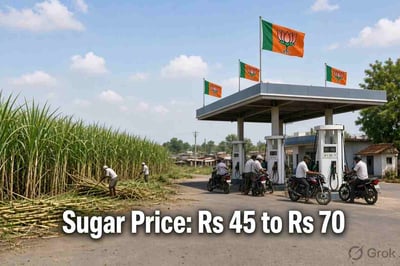
A major policy miscalculation in balancing food security with biofuel targets has plunged Indian consumers into severe inflationary distress, as retail sugar prices surged from around 45 rupees per kg to nearly 70 rupees per kg in key markets ahead of the festive season. The aggressive push to meet ambitious ethanol blending targets by diverting millions of tonnes of sugarcane juice and molasses into fuel distilleries has created a massive supply deficit in the domestic sweetener market. The domestic crunch has forced India, historically the world's second-largest sugar exporter, to perform an embarrassing policy reversal and authorize emergency duty-free imports of 1 million tonnes of raw sugar to cool runaway prices.
The price spike has hit ordinary households, small sweet shops, and confectionery manufacturers during the peak festive preparation quarter. In cities like Mumbai and Kolkata, retail shops that sold sugar at 45 to 50 rupees per kg only weeks ago are now selling loose sugar between 65 and 70 rupees per kg, representing a nearly 55% jump. Wholesale rates have climbed alongside rising jaggery costs, directly raising household food budgets while government agencies struggle to rein in market inflation.
Critics, opposition lawmakers, and trade associations point out that the price surge is the direct consequence of prioritizing fuel distilleries over kitchen supplies. Under the national Ethanol Blended Petrol program, substantial quantities of sugarcane feedstock were channeled into achieving 20% ethanol blending targets ahead of schedule. However, this policy depleted national buffer stocks to multi-decade lows just as adverse weather conditions and pest infestations in major cane-growing states like Maharashtra and Karnataka curtailed overall crop output.
To contain the price crisis, the central government opened a duty-free import window for 1 million tonnes of raw sugar under a tariff-rate quota, while capping trader stockholding limits at 400 tonnes to prevent speculative hoarding. However, market experts argue that India entering the international market as a buyer has already driven global benchmark prices higher, rendering emergency imports insufficient to completely reverse the domestic price spiral before Diwali.