
Tamil Nadu CM Vijay Demands NEET Exemption And 3284 Crore Educational Funds From Centre At NITI Aayog
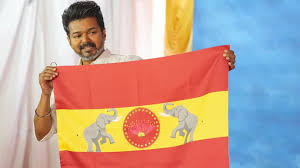
The political landscape witnessed a significant moment as Tamil Nadu Chief Minister C Joseph Vijay made his debut address at the 11th Governing Council meeting of NITI Aayog in New Delhi. Chaired by Prime Minister Narendra Modi, this high profile meeting became the stage for Tamil Nadu to assert its state rights and financial needs. Chief Minister Vijay local governance strategy stood out as he balanced a strong message of cooperative federalism with an unyielding demand for state autonomy. The presentation of a comprehensive memorandum highlighted critical areas where the southern state expects immediate action from the central government, setting a clear tone for center state relations moving forward. The historic mandate received by his administration has clearly empowered the new leader to voice regional aspirations at the highest policy making forum in the country without hesitation.
At the very forefront of Tamil Nadu demands was the complete abolition or exemption from the National Eligibility cum Entrance Test for medical admissions. Chief Minister Vijay argued passionately that the centralized examination system unfairly disadvantages students from rural backgrounds, government schools, and socio economically weaker families who cannot afford expensive private coaching. The state government strongly proposed that medical admissions for all state quota seats in MBBS, BDS, and AYUSH courses should be based entirely on Class 12 public examination marks. This bold stance gains massive public traction following recent national controversies regarding exam paper leaks, which have severely shaken public confidence in centralized testing agencies. By anchoring medical admissions to school board performance, the state aims to restore equal opportunity and protect local students from national systemic failures.
The financial friction between Chennai and New Delhi became highly evident when the Chief Minister demanded the unconditional release of pending central funds under the Samagra Shiksha Scheme. Tamil Nadu is currently awaiting the release of 3284 crore rupees that are crucially needed to maintain school infrastructure and ensure the continuity of basic educational services. Chief Minister Vijay made it clear that these vital educational funds must not be linked as a penalty or leverage to force the state into implementing the National Education Policy or adopting a three language formula. The state has achieved excellent progress in literacy and higher education enrollment over many decades by sticking firmly to its traditional two language policy. Holding back thousands of crores over policy differences harms innocent school students and strains the delicate fabric of fiscal federalism, especially when southern states contribute heavily to the national economy while managing population stabilization effectively.
Beyond finance and education, the Chief Minister made a historic cultural pitch by urging the Union government to officially declare the ancient treatise Thirukkural as an official national literature. Authored by the great philosopher saint Thiruvalluvar, this timeless masterpiece offers a secular framework of ethics and universal values that remain deeply relevant to modern Indian society. Alongside this cultural push, the state submitted crucial demands for economic and infrastructural upgrades, including the establishment of a second AIIMS hospital in Coimbatore and the immediate allocation of 2283.40 crore rupees for the Hogenakkal water supply project. The administration also announced a massive Youth Skill and Employment Mission targeting stipend supported internships for 500000 young individuals annually to drive technological growth in fields like artificial intelligence and electric vehicles. To conclude, Tamil Nadu has sent a message that true national development can only be realized by empowering individual states, respecting local linguistic choices, ensuring fair financial distribution, and preserving regional dignity.