
Why United States Failed to Protect Saudi Arabia from Houthi Drone and Missile Attacks
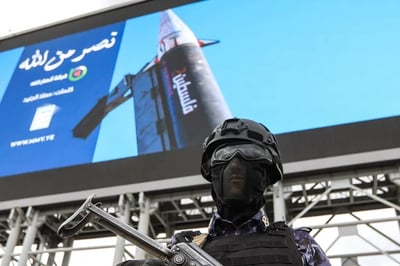
A wave of explosive drones and long-range ballistic missiles has shattered the calm across the Arabian desert, exposing serious flaws in Western military defense shields. Saudi Arabia has spent decades buying the most expensive American radar systems, fighter jets, and interceptor batteries in the world. Yet night after night, flaming metal pieces rain down near crowded airport runways, commercial ports, and oil complexes. The recurring destruction raises an uncomfortable question across world capitals: why has the United States failed to shield its closest Gulf ally from strikes launched by a Yemeni militia?
The answer begins with the vast geography of the desert nation and the sheer size of the territory that air defenses must guard. Saudi Arabia spans a landmass three times the size of Texas, bordering hundreds of miles of remote mountains, barren valleys, and open deserts right next to Yemen. Concealing radars and missile batteries across every single square mile is practically impossible. When military planners concentrate heavy batteries around political offices in Riyadh, they leave open gaps around transport routes, regional power stations, and distant oil pipelines.
The nature of the weapons being fired creates another massive technical obstacle for American defense systems. The United States designed classic missile shields like the Patriot system during the Cold War to track and destroy large, high-flying ballistic missiles launched by foreign superpowers. These traditional missiles follow predictable arching paths through the sky that radar beams can easily calculate. In contrast, the Houthi movement relies heavily on modern low-cost drones and low-altitude cruise missiles that hug the contours of mountain valleys, flying beneath standard radar coverage until the final seconds before impact.
These low-flying drones create a punishing economic imbalance that favors the attacker over the defender. A single explosive drone assembled from commercial fiberglass, lawnmower-style engines, and cheap microchips can cost as little as twenty thousand dollars to construct. To shoot down that single cheap flying bomb, Saudi air defense crews must fire an American-made Patriot interceptor missile that costs roughly four million dollars. Firing multi-million-dollar interceptors at continuous swarms of inexpensive plastic drones quickly drains national stockpiles and puts severe financial strain on the kingdom.
The crisis is deepened by a severe physical shortage of replacement ammunition. Military conflicts around the world have placed unprecedented demand on American defense contractors, leaving factories struggling to build interceptor rockets fast enough to satisfy global orders. Even though Saudi Arabia signed a nine-billion-dollar deal to purchase over seven hundred new Patriot interceptors, production delays mean replacement rockets arrive slowly. When local missile batteries fire dozens of rounds in a single night to defend airports, commanders worry about running out of ammunition before the next convoy arrives.
Beyond technology and factory shortages, shifting political calculations inside Washington have severely limited direct American military protection. While Saudi Arabia wants the United States military to launch heavy direct airstrikes inside Yemen to destroy launch pads, American leaders have remained hesitant. Entering a wider conflict brings heavy geopolitical risks, including the danger that fighting could completely close the Bab el-Mandeb Strait, a vital shipping bottleneck at the southern mouth of the Red Sea through which millions of barrels of crude oil pass every day.
Domestic political pressure inside the United States also makes deeper military involvement unpopular. United States President Donald Trump faces intense scrutiny at home over elevated fuel costs and stubborn living expenses. With critical national legislative elections approaching, American voters have shown little appetite for starting another costly foreign campaign in the Middle East. Deepening military action in the region risks driving oil prices even higher, an outcome that White House political advisers are desperate to avoid.
The Houthis have also honed their offensive tactics over years of continuous battlefield combat. By firing dozens of decoys, surveillance drones, and cruise missiles simultaneously from multiple directions, they deliberately oversaturate radar screens. When automated sensors are overwhelmed by too many targets arriving at the same instant, individual warheads inevitably slip through the defensive net. In recent days, these precision strikes punched through air defenses to hit King Khalid International Airport and inflicted heavy structural damage on the corporate headquarters of state oil enterprise Saudi Aramco in Dhahran.
American intelligence agencies continue to assist the kingdom behind the scenes by sharing radar tracks, satellite early warnings, and flight data. However, warnings on a digital map cannot stop a supersonic warhead if local interceptor batteries are out of position or low on rockets. Saudi officials have attempted to diversify their alliances by signing defense agreements with regional partners like Turkey and Pakistan, but these nations have largely remained on the sidelines rather than sending active ground troops or anti-aircraft batteries to defend the border.
The ongoing strikes have revealed that traditional superpower protection has clear limits in the modern era of asymmetric warfare. Having trillions of dollars in oil wealth and access to the world’s most advanced fighter jets cannot guarantee absolute security against low-cost, decentralized drone armies. Until the United States and its regional partners develop cheaper, faster defenses like high-powered laser weapons, or achieve a lasting diplomatic settlement, Saudi Arabia will remain exposed to cross-border strikes that even the world’s greatest superpower cannot fully stop.