
25 Transfers In 20 Years: Meet Tukaram Mundhe, The IAS Officer Mumbai Restaurants Fear
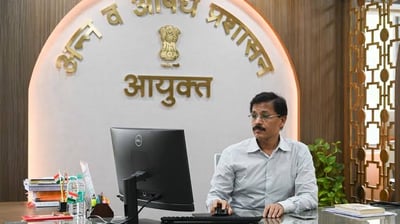
Every working day between 4 PM and 5 PM, the commissioner office at the Maharashtra Food and Drug Administration headquarters in Bandra Kurla Complex opens its doors to the public. On a recent afternoon on 20 July 2026, the owner of Noor Mohammadi, a famous 100 year old eatery on Mohammad Ali Road, walked in alongside his son to meet the top official. Days earlier, the department had suspended their operating licence during a surprise inspection. Getting an audience with the new Food and Drug Administration Commissioner is remarkably easy, but securing leniency is almost impossible. Ever since taking charge on 25 May 2026, Indian Administrative Service officer Tukaram Mundhe has made it clear that no concessions will be granted to establishments that endanger public health. Within less than 2 months, his team has executed 1131 high profile raids, averaging more than 20 inspections every single day across Maharashtra. The enforcement actions have led to the seizure of adulterated food, illegal gutkha, and fake products worth Rs 49.57 crore, including 1.6 lakh litres of suspicious milk.
The intense regulatory crackdown has sent shockwaves through Mumbai food culture because it has targeted not just minor vendors, but some of the most celebrated culinary landmarks in the city. The list of establishments facing licence suspensions includes 73 year old K Rustom and Co, 110 year old Parsi Dairy Farm, Shalimar, as well as high end modern dining places like Waarsa and Flint. Beyond restaurant suspensions, the officer invoked the stringent Maharashtra Control of Organised Crime Act against large gutkha supply networks, triggering widespread panic and protests from pan shop owners across the state. The operational transformation inside the headquarters is striking. A year ago, the ground floor of the Bandra Kurla Complex office remained quiet and empty. Today, it bustles with hundreds of restaurant owners, food traders, and citizens logging between 500 and 1100 daily complaints through online portals, phone calls, and physical visits. By recruiting nearly 200 new Food Safety Officers and starting 2 operational shifts in testing laboratories, the department analyzed 8700 food samples in just 15 days, compared to 15000 samples tested during the entire previous year.
To understand the rigid discipline of this 2005 batch bureaucrat, one must look back at his upbringing in Tadsonna village located in the drought prone Beed district. Raised as the son of a hardworking farmer, Mundhe grew up working directly in agricultural fields, selling vegetables at weekly rural markets, and studying in a local Zilla Parishad school. Those early life struggles instilled a stern, uncompromising ethic that earned him widespread public respect, alongside an extraordinary total of 25 job transfers over 20 years of service across 16 major government assignments. In Solapur, his water conservation initiatives under the Jalyukt Shivar program earned him the title of Water Man of Maharashtra. In Navi Mumbai, his aggressive anti encroachment drives and early morning municipal inspections won praise from citizens, but led local political leaders across party lines to pass a historic no confidence motion against him in 2016. Everywhere he serves, a familiar structural pattern emerges, where strict rulebook enforcement generates overwhelming popular admiration while creating massive friction with local political representatives and business groups.
While no citizen or business owner defends dirty kitchens or adulterated food, the current situation in Mumbai has ignited an important administrative discussion regarding the balance between strict law enforcement and practical business operations. Restaurant owners point out that ground floor eateries operating in dense, older neighborhoods face immense structural challenges regarding pest control compared to modern high rise establishments. Small food business operators argue that administrative reform should ideally combine educational awareness and systematic guidance alongside disciplinary penalties, rather than relying exclusively on immediate closures that disrupt local livelihoods. On the official side, supporters argue that decades of administrative laxity required a sudden, unyielding shock to permanently elevate hygiene standards to international levels. Even his fiercest administrative critics readily acknowledge his personal integrity and complete honesty, acknowledging that the central dispute has never been about his character, but rather his preference for swift enforcement over prolonged multi stakeholder dialogue.
The political ripple effects of this regulatory storm reached the Maharashtra Legislative Assembly, where political leaders debated his security and tenure following alleged threats sent to his family. Lawmakers urged the state government to guarantee him a minimum 3 year tenure without sudden transfers, while the Food and Drug Administration Minister confirmed that no official proposal to transfer the officer exists. Unfazed by external political pressure, Mundhe maintains his disciplined daily routine, arriving at his office precisely at 9.40 AM and working continuously until 6.15 PM. As Mumbai food industry gradually adjusts to this new environment of total regulatory compliance, the ongoing initiative demonstrates how a single resolute administrator can completely transform an obscure government department overnight, forcing an entire metropolitan city to rethink its food safety standards.