
$50 Match Tickets Free Bus Rides New York Mayor Mamdanis Affordability Push For Fifa World Cu
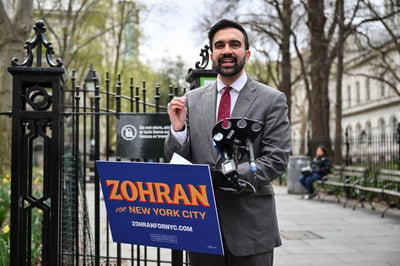
The biggest sporting spectacle on Earth is coming to the New York region, but the extreme cost of entry has left thousands of passionate local fans wondering if they will be completely shut out. In a decisive move to address these economic hurdles, New York City Mayor Zohran Mamdani held a major press conference in Harlems historic Little Senegal neighborhood to introduce a ground-breaking affordability campaign. The city administration has successfully collaborated with the New York and New Jersey World Cup Host Committee to lock in a special allocation of one thousand tournament tickets priced at just $50 each. Recognizing that the high cost of transportation can easily wipe out any ticket savings, the newly announced municipal plan also includes completely free round trip bus rides from Manhattan straight to the stadium gates. Flanked by elite international soccer stars and local icons Timothy Weah and Mark McKenzie, Mayor Mamdani declared that the global tournament must be accessible to everyday working class New Yorkers who form the true cultural backbone of the city, rather than being exclusively reserved for multi millionaires and wealthy corporate travelers.
This bold regional strategy represents the very first time an individual American host city has aggressively intervened to create a localized price safety net, bypassing the heavily criticized dynamic pricing algorithms used by international soccer federations. The heavily discounted ticket inventory will be distributed via a strictly monitored random digital lottery launching on May 25, giving local residents a fair shot at attending five high profile group stage matches, featuring iconic global teams like France, Senegal, and Brazil, as well as two high stakes knockout stage games. To stop predatory ticket scalpers and automated bots from turning this community initiative into a massive payday on the secondary resale market, the city has designed an exceptionally strict verification framework. Every single lottery winner will be required to prove their identity and local residency using valid documentation, the number of digital applications is strictly restricted to prevent system overloads, and physical tickets will only be distributed in person right at the bus terminal on the exact morning of the match. This localized policy is a direct countermeasure against intense public anger regarding skyrocketing regional transit pricing, which initially saw regional rail authorities propose inflating standard thirteen dollar commuter train tickets up to an unprecedented one hundred and fifty dollars for game days.
While this public announcement secures a major political win for the current city administration, a realistic view of the program reveals deep systemic limitations regarding its true scope and ultimate community impact. Distributing a mere one thousand subsidized tickets across a sprawling metropolitan population of more than eight million people means that the actual probability of securing a seat is lower than winning a typical lottery game, leaving the vast majority of working class soccer fans on the outside looking in. Additionally, keeping the tournament final completely excluded from this affordability initiative ensures that the absolute pinnacle of the sporting event remains strictly gated behind immense institutional wealth, available only to those who can afford several thousand dollars for a single seat. Because these cheap tickets were negotiated out of the host committee regional allocation instead of forcing a structural change in how international soccer bodies price their games, the program operates more like a temporary public band-aid rather than a permanent cure for the hyper commercialization of modern professional sports. It raises tough questions about why local taxpayers and municipal governments must expend their own resources to fix the massive pricing inequalities created by highly profitable global sporting corporations.
In the final equation, this aggressive affordability push establishes a powerful political precedent for how future global host cities can legally demand better protection for their local populations against severe economic displacement during massive entertainment events. Even though the mathematical chances of winning this specific ticket lottery remain incredibly slim, combining free public transit infrastructure with hard price caps on admission tickets exposes how corporate greed and artificial price gouging threaten the inclusive spirit of international sports culture. Mayor Mamdani has effectively transformed the upcoming tournament into a testing ground for urban working class advocacy, proving that dedicated local leadership can successfully challenge global entities to secure physical access for ordinary sports enthusiasts. As the opening whistle draws closer, this localized municipal experiment will determine whether modern cities can protect their neighborhoods from being totally priced out of historic moments, or if everyday fans are destined to watch the matches on television screens while corporate elites occupy the stadium seats.