
Will Devotees Prefer 5000 Year Old Original Tirupati Or Its New 2027 Branches In Assam And Bihar
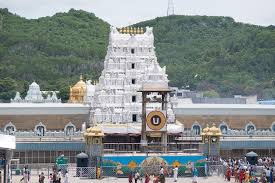
The landscape of spiritual tourism in India is witnessing a massive shift as the sacred vibes of Tirumala move closer to northern and northeastern households. In a massive development, the Bihar government has officially allocated 15 acres of prime land near Patna, located beautifully on the banks of the sacred Ganga river at Mokama Khas, for a grand temple complex. This comes right on the heels of the Assam government handing over 10.33 acres of picturesque land in the Sonapur Circle of Kamrup Metropolitan district near Guwahati for a similar mega project. Both massive projects are being driven directly by the Tirumala Tirupati Devasthanams, famously known as TTD, which manages the legendary 5000 year old shrine in Andhra Pradesh. This rapid expansion is part of an aggressive nationwide plan backed by Andhra Pradesh Chief Minister N. Chandrababu Naidu and TTD Chairman B.R. Naidu to build authentic replica branches of the Lord Venkateswara temple across all major states. The proposed upcoming complexes are being fast tracked with an official target to complete construction and open by 2027, transforming into massive spiritual centers featuring traditional main shrines, holy water tanks called Pushkarinis, community marriage halls known as Kalyana Mandapams, and heavy pilgrim amenities.
This aggressive expansion strategy by TTD to set up major branches in Bihar and Assam brings immense spiritual relief to millions of regional devotees, yet it also invites deep curiosity about its actual impact on religious tourism. For decades, a pilgrimage to the main Tirupati temple in Andhra Pradesh has been considered a once in a lifetime journey involving complex train bookings, long flights, and intense token waiting queues. By bringing the exact architectural designs, holy rituals, and authentic laddu prasadam to places like Patna and Guwahati by 2027, TTD is effectively eliminating the exhausting geographical and financial barriers for common families. From a logistical perspective, this is a masterful stroke to make the divine darshan accessible to the elderly, the economically weaker sections, and time constrained professionals who simply cannot afford a 4 day trip down south. However, a deeper look reveals that managing such mega structures outside Andhra Pradesh comes with serious operational hurdles. Maintaining the strict ritualistic purity demanded by the ancient Agama Sastras, training local staff to match the rigorous standards of Tirumala, and ensuring seamless crowd control in entirely different political setups will test the administrative capabilities of the TTD board.
The intentional drive to build these multi acre regional hubs by 2027 echoes a larger question among spiritual circles regarding whether these grand local branches will accidentally reduce the heavy footfall at the original Tirumala shrine in Andhra Pradesh. Looking at this psychologically, it is highly unlikely that a local replica can ever truly replace the deep seated spiritual pull of the 5000 year old ancient hills of Tirumala. For an average Indian devotee, the actual act of travelling far from home, climbing the sacred steps of the Seven Hills, and standing in the historic ancient complex carries an unmatched emotional and karmic value that a modern branch cannot replicate. The local temples in Patna and Guwahati will most likely function as highly convenient weekend worship hubs rather than permanent replacements for the main pilgrimage. Instead of cannibalizing the main shrine, these new establishments will act as powerful regional catalysts that keep the spiritual connection alive and fresh. A devotee visiting the gorgeous riverfront temple near Patna or the scenic valley shrine in Assam will likely feel an enhanced desire to visit the mother temple in Andhra Pradesh at least once in their life. Therefore, these branches will expand the overall ecosystem of faith rather than dividing it.
Ultimately, the creation of official TTD branches in Bihar and Assam marks a highly positive evolution in how massive religious institutions connect with their followers across India. By actively spreading the cultural and spiritual essence of Lord Venkateswara to the eastern and northeastern corners of the country, TTD is building powerful bridges of unity. These new temples will baby step into reality by 2027, flawlessly boosting local economies, generating immediate employment through temple commerce, and putting cities like Patna and Guwahati onto the global spiritual tourism map. While the 5000 year old main Tirupati temple in Andhra Pradesh will forever retain its supreme status as the ultimate spiritual destination, these regional replicas will successfully democratize access to daily devotion. Millions of believers who previously could only dream of seeing the deity can now experience the exact same divine grandeur right in their home states, proving that while the physical geography changes, the core of devotion remains entirely untouched.