
Adani airline plans explain why Centre may ease airport airline ownership rules
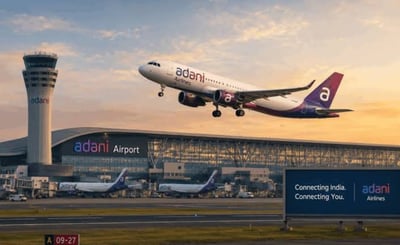
In a potentially historic policy shift, the Ministry of Civil Aviation initiated formal discussions on 23 July 2026 regarding proposals to ease long-standing restrictions that prevent airport operators from holding a stake in commercial airlines. Under current regulations set during early airport privatization in 2006, operators of major gateways like Delhi and Mumbai are capped at a maximum 10 percent equity stake in any scheduled carrier to prevent vertical integration. However, official documents revealed that Adani Airport Holdings CEO Arun Bansal recently approached the Airports Authority of India seeking a waiver of these restrictions. The conglomerate argued that entering the airline business would be a natural extension of its vast aviation portfolio, which already spans eight airports, ground handling services, pilot academies, and a prospective aircraft assembly partnership with Brazilian manufacturer Embraer.
The primary motivation behind the government's openness to amending these rules is the intense market concentration within Indian skies. Together, IndiGo and Air India currently command nearly 90 percent of domestic passenger traffic, creating an effective market duopoly. Central policy experts note that this reliance leaves national air transport vulnerable to sudden operational shocks, such as widespread flight cancellations caused by staffing or technical bottlenecks. By allowing heavily capitalized infrastructure entities like the Adani Group or GMR Airports to launch new carriers, policymakers hope to inject competition, enhance regional connectivity to Tier 2 and Tier 3 cities, and expand overall capacity across expanding airport hubs.
Despite the policy arguments, the proposal has drawn severe backlash from incumbent market players and industry veterans who point to a severe conflict of interest. IndiGo Managing Director Rahul Bhatia publicly criticized the potential move, stating that there is no international precedent for airport operators running airlines. Critics warn that an entity operating both an airport and an airline could give its own carrier unfair advantages in crucial operational areas, such as allocating peak-hour landing slots, parking bays, and ground services. To address these concerns, Adani Group has pledged willingness to accept strict structural ring-fencing, non-discriminatory access frameworks, and independent regulatory oversight to ensure a level playing field for all competing airlines.
Looking at the broader dynamics, the policy proposal presents both significant opportunities and complex regulatory challenges for India's aviation market. While introducing new, deep-pocketed airline entrants could lower consumer airfares and stabilize regional air corridors, executing such cross-ownership requires exceptional legal safeguards. Additionally, managing an airline remains a high-risk venture fraught with volatile fuel costs and global fleet delivery delays, as proven by past domestic bankruptcies. As the concept note makes its way through inter-ministerial consultations and NITI Aayog reviews, regulatory authorities like the Competition Commission of India and the DGCA will have to balance the urge to dismantle a market duopoly against the risk of creating market imbalances at major airports.
In conclusion, the proposed relaxation of airport-airline ownership rules represents a critical pivot point for the nation's civil aviation policy. While the government remains focused on expanding domestic airline choices and reducing market risks, finding consensus between legacy airlines and ambitious infrastructure conglomerates will be delicate. Whether this policy review eventually leads to Cabinet approval or faces regulatory limits, it has ignited a defining national debate over fair competition and the future structure of Indian aviation.