
RBI Ombudsman Complaint Management System Maintenance Sparks Suspicion On Modi Government Grievance Redressal Handling Following NEET Paper Leak Protests On July 25 2026
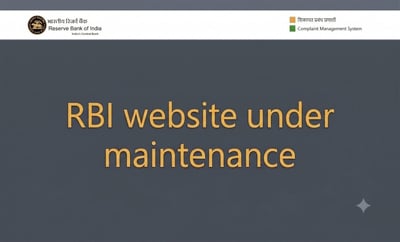
On July 25, 2026, thousands of banking customers across the country visiting the official digital portal to register financial disputes were met with an unexpected roadblock when the Reserve Bank of India complaint management system website went offline for scheduled maintenance.
The central portal at [cms.rbi.org.in](https://cms.rbi.org.in/), serving as the primary hub for the Integrated Ombudsman Scheme, displayed a notice directing users to send emails to crpc@rbi.org.in instead. As of 25th July 2026, visiting [cms.rbi.org.in](https://cms.rbi.org.in/) states that the RBI website is under maintenance. We will keep our eye on the portal and share updates in our upcoming coverage.
For an everyday citizen dealing with unauthorized online transactions, fraudulent debit alerts, or unresolved banking disputes, the sudden digital shutdown caused immediate concern. While scheduled IT updates are standard operational procedures, the sudden temporary closure of an essential statutory complaint portal generated online skepticism regarding how public complaints are managed and processed under the current government. Critics pointed out that when primary public portals go dark without alternative real-time dispute tracking mechanisms, ordinary consumers bear the brunt of administrative delay and confusion.
The public anxiety surrounding portal downtime does not occur in isolation. It follows an unprecedented period of public unrest involving the National Eligibility cum Entrance Test (NEET) medical entrance exam paper leak scandal. Earlier in 2026, millions of medical aspirants and their families found themselves trapped in total uncertainty after leaked question papers and scoring discrepancies compromised national competitive test scores. What initially began as scattered regional complaints quickly turned into a nationwide crisis, with young candidates demanding immediate central intervention, transparent investigation, and severe action against examination fraud syndicates.
The official response to the paper leak crisis was initially marked by hesitation and slow acknowledgment, which served to deepen public mistrust in state machinery. As days turned into weeks without strong corrective action, public frustration transformed into organized physical demonstrations. For 20 continuous days, student unions, youth organizations, and civil rights groups led sustained sit-in protests, public rallies, and hunger strikes across major urban hubs, including Jantar Mantar in Delhi. The prolonged agitations kept national focus pinned on systemic administrative oversights within testing bodies, showing that public tolerance for delayed governance had worn completely thin.
The persistent pressure built over 20 days of sustained public protests ultimately forced high-level political action. On July 25, 2026, Union Education Minister Dharmendra Pradhan officially submitted his resignation letter to Prime Minister Narendra Modi, taking moral responsibility for the systemic failures that allowed the examination breach to happen. While the resignation marked a major moment where direct civil action held top leadership accountable, public commentators observed that achieving official action required nearly a month of street demonstrations. This underlined an ongoing concern where administrative oversight bodies move into high gear only after public outcry reaches a critical tipping point.
Viewed together, the temporary outage of the RBI Ombudsman complaint management system website and the handling of the national examination scandal point toward a core challenge in modern public administration. Democratic governance relies heavily on continuous public confidence, which requires citizen complaint channels to remain consistently accessible and transparent. When essential digital grievance tools go dark without seamless fallback portals, or when massive public grievances require weeks of physical protests before receiving official resolution, public faith in regulatory infrastructure faces heavy strain. Building long-term trust requires grievance portals and official oversight bodies to function with unwavering accountability at all times.