
Amit Shah Challenges INDIA Bloc on Special Parliament Session as Youth Ask Why BJP Is Defending Gyanesh Kumar Over Independent Election Row
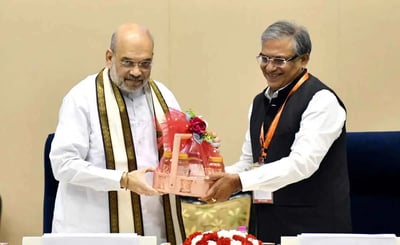
Political confrontation across the national capital reached a fever pitch after Union Home Minister Amit Shah threw an open challenge to top opposition figures, proposing a dedicated parliamentary debate on electoral roll disputes. Speaking before party members in Lucknow, Shah took aim at Congress leader Rahul Gandhi and Samajwadi Party president Akhilesh Yadav, daring them to discuss their allegations inside the legislative chambers instead of taking demonstrations onto the streets. The sharp challenge came just hours before the opposition coalition prepared to hold what it called a public trial against Chief Election Commissioner Gyanesh Kumar over controversial revisions of voter lists.
The bitter fight between the political camps centers on the Special Intensive Revision of voter rolls carried out across various states. Opposition parties have repeatedly alleged that large numbers of legitimate voters have had their names wrongfully removed from voting registers, calling the process an intentional attempt to alter voter turnout. In an unprecedented protest move, alliance leaders scheduled a symbolic public session to challenge the conduct of the election chief. They argue that the constitutional watchdog has failed to answer serious complaints about missing names and irregularities in voter registration forms.
Rejecting every charge as completely baseless, Shah declared that the central government and the ruling party have nothing to hide from the public. He asserted that if the opposition genuinely believed in its complaints, it would present evidence inside Parliament rather than creating public disruption outside. Shah likened the opposition strategy to an athletic team that blames the umpire after losing a sports match, arguing that repeated electoral losses have pushed rival parties into attacking the credibility of the election commission itself.
However, the aggressive intervention by top ruling party ministers has triggered intense questions among young students, first-time voters, and legal observers. Young citizens across university campuses and civil forums are asking a straightforward question: if the controversy is strictly about the election machinery and voting roll procedures, why is the ruling party taking personal offense and stepping forward to shield Gyanesh Kumar? Critics and youth groups point out that the Election Commission of India is established under the constitution as an autonomous, neutral body meant to stand entirely apart from political parties.
By jumping into the ring to fight battles on behalf of the election commissioner, the ruling party has inadvertently raised doubts about institutional neutrality. Young demonstrators have argued that when party leaders act as primary spokespersons for the poll panel, it blurs the essential line between the state election machinery and the party in power. They insist that questions regarding voter deletions, server errors, and rejected voter forms should be answered technically by the commission officials themselves, not defended at political party conventions.
Opposition strategists dismissed the offer of a special session as a media diversion designed to bypass immediate judicial and ground-level scrutiny. They pointed out that during regular parliamentary sessions, requests to discuss voter roll discrepancies were repeatedly adjourned or denied adequate time for structured debate. Alliance leaders maintained that taking their complaints directly to the public through rallies and demonstrations is a democratic right to inform ordinary voters whose names may have vanished from polling booths.
Legal experts watching the standoff noted that the growing friction reflects a broader institutional crisis in the country. The credibility of election management relies heavily on public trust and absolute transparency. When allegations of mass deletions emerge, brushing them aside with political rhetoric does little to calm public anxiety. Analysts suggest that the only way to rebuild faith among skeptical young voters is through open administrative audits and clear public explanations from the election authorities, rather than high-decibel political clashes between rival parties.
As the political dispute continues to intensify ahead of major state elections, the focus remains firmly fixed on democratic accountability. While ruling party leaders push for debates inside the halls of power, the questions raised by ordinary citizens remain on the ground. Whether institutions can demonstrate true independence and provide verifiable answers to the public will determine how long this bitter confrontation lasts.