
Anti-CEC Protest Delhi Police Allows Small Gathering at Suitable Place Ahead of CJP Tiranga Protest While Central Park Shuts
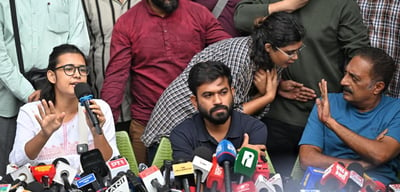
Security arrangements in the heart of the national capital reached a high level of readiness following calls for a major public demonstration against the leadership of the Election Commission of India. Police authorities announced that while large unauthorized gatherings will not be permitted in central shopping areas, law enforcement is open to facilitating a small, regulated group to wave the national flag and sing the national anthem at a suitable designated spot. The announcement came directly ahead of the scheduled flag march called by the youth activist group Cockroach Janata Party.
The demonstration, organized under the slogan of the Lehra Do Tiranga march, was scheduled to take place at Central Park in the historic commercial district of Connaught Place. Protesters have been demanding the immediate stepping down of Chief Election Commissioner Gyanesh Kumar, accusing the poll body of massive voter deletions and electoral irregularities during the recent Special Intensive Revision exercise. The youth collective called upon students, citizens, and civil society groups to carry the tricolor flag into the park to register peaceful democratic dissent against the electoral administration.
To preempt potential unrest and avoid public chaos in the busy shopping district, the New Delhi Municipal Council ordered the complete closure of Central Park for two consecutive days. Civic authorities confirmed that all five entry gates leading into the public park have been locked to the general public for administrative reasons. At the same time, senior police officers issued public appeals advising residents and office-goers to stay away from unauthorized gatherings, pointing to strict prohibitory orders enforced under Section 163 that prohibit mass assemblies in the New Delhi district.
A legal bid to stop the demonstration failed when the Delhi High Court declined to issue an injunction against the youth organization. The court refused to restrain the activist group and its founder Abhijeet Dipke from holding the planned flag-waving demonstration, affirming the fundamental principle of peaceful gathering while recording the police assurance that all necessary measures would be taken to maintain law and order. That judicial refusal provided a moral boost to the activists, who reiterated their intention to display the national flag as a peaceful civic statement.
The planned flag march follows a wave of heavy police crackdowns across the city earlier in the week. Security agencies had taken thousands of protesters, university students, and civil society leaders into custody during sit-ins organized outside designated protest sites. The detention of key organizers, including co-convenors Saurav Das and Ashutosh Ranka, who were lodged in Tihar Jail, has fueled deep anger among student organizations and opposition parties who claim that legitimate democratic protests are being met with disproportionate administrative force.
Several major political formations and prominent opposition leaders have extended support to the student-led agitation against the poll chief. Leaders from the Indian National Congress, the Left parties, and regional allies have raised questions regarding the integrity of voter registers, pointing to the disenfranchisement of vulnerable citizens across multiple states. Opposition spokespersons accused the central government of using security machinery to shield senior election officials from public scrutiny and accountability.
To manage the heavy footfall and prevent disruptions to normal commerce, Delhi Police deployed thousands of personnel alongside paramilitary companies around the inner and outer circles of Connaught Place. Extra security cameras were positioned at key road intersections, metro station exits, and market corridors to monitor crowd movement continuously. Traffic advisories were issued for over twenty major roads leading toward central Delhi, warning commuters of possible diversions and roadblocks throughout the day.
Activists insist that displaying the tricolor and singing the national anthem is a constitutional right that cannot be treated as a criminal offense. They emphasized that their movement represents ordinary young people who want fair elections and institutional accountability, rejecting accusations of creating public disturbance. As security forces guard the closed gates of Central Park, the standoff highlights the growing friction between rising street dissent and strict urban security controls in the capital.