
ASEAN Foreign Ministers Voice Serious Concern Over Renewed Middle East Hostilities At Manila Summit
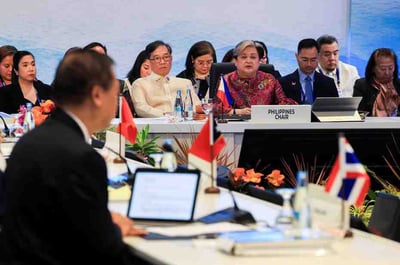
A heavy diplomatic shadow fell across the Philippine International Convention Center in Pasay, Metro Manila, on July 21 2026, as top diplomats from the 11 member states of the Association of Southeast Asian Nations ASEAN gathered for their annual 59th Foreign Ministers Meeting. Under the chairmanship of the Philippines, led by Foreign Affairs Secretary Maria Theresa Lazaro, regional ministers issued a joint statement expressing grave worry over rising geopolitical instability. What was intended to focus primarily on Southeast Asian integration and trade quickly shifted to global security crises as escalating US Iran hostilities and new naval blockades in the Gulf threatened energy security, global supply chains, and economic growth across Asia.
The immediate trigger for the diplomatic statement was a fresh wave of military strikes between the United States and Iran, alongside announcements of naval blockades affecting critical maritime choke points. Following a closed door consultation in Manila, ASEAN foreign ministers released an official communique cautioning that armed conflict severely undermines ongoing mediation efforts led by regional partners such as Pakistan and Qatar. The joint statement called on all warring parties to exercise maximum self restraint, cease military actions immediately, and return to structured diplomatic channels. The ministers stressed the absolute necessity of restoring unimpeded transit through the Strait of Hormuz, citing international maritime law under the 1982 United Nations Convention on the Law of the Sea to safeguard global commerce and commercial seafarers.
For the fast growing economies of Southeast Asia, the flare up in Middle Eastern conflict represents an immediate macroeconomic threat. As a bloc with a combined gross domestic product of nearly 3.8 trillion US dollars, Southeast Asian nations depend heavily on imported crude oil and petroleum products to fuel their domestic manufacturing and transportation sectors. Disruptions in Gulf shipping lanes immediately trigger domestic fuel price hikes, push inflation upward, and strain national currencies across the region. Recognizing these vulnerabilities, ASEAN foreign ministers discussed fast tracking regional emergency energy sharing agreements, broadening fuel supply diversification, and protecting key agricultural supply chains to buffer their domestic populations from external shocks.
The foreign ministers meeting also illustrated the complex delicate balancing act facing Southeast Asian diplomacy in an increasingly fragmented global order. While the Middle East turmoil commanded urgent attention, ASEAN leaders simultaneously grappled with pressing regional crises, including the ongoing civil conflict in Myanmar and territorial standoffs in the South China Sea. With top international envoys including US Secretary of State Marco Rubio and Chinese Foreign Minister Wang Yi arriving in Manila for expanded regional dialogues, Southeast Asian leaders emphasized that regional unity and strict adherence to international law remain essential safeguards against external instability. As the Manila summit progresses, the capability of the regional grouping to protect its economic stability while maintaining neutral diplomatic channels will undergo a significant test.