
Assam CM Son Nandil Sarma Conquers Ironman Vietnam: A Proud Moment While Common Man Kids Are Still Used As Political Pawns ?
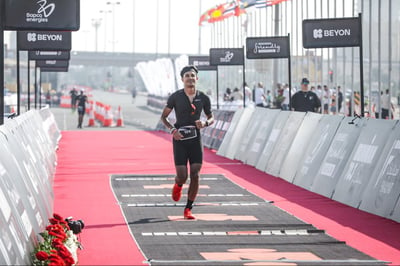
Nandil Biswa Sarma, the son of Assam Chief Minister Himanta Biswa Sarma, has achieved a feat of superhuman endurance by completing the Ironman triathlon in Vietnam. The event, held in May 2026, required participants to finish a 3.8 kilometer swim, a 180 kilometer cycling race, and a grueling 42.2 kilometer marathon back to back within a strict time limit. Nandil, currently a law student in Bengaluru, managed to cross the finish line after months of intense training, a feat his father proudly shared on social media. The achievement highlights a rare level of physical and mental discipline, especially for a student balancing a rigorous legal education. However, as the news went viral, it also brought to the surface a long standing frustration among the Indian public regarding the starkly different paths available to the children of the political elite compared to the children of the average citizen.
The celebration of Nandil Sarma success serves as a sharp reminder of the disparity in the Indian socio political landscape. While the sons and daughters of powerful politicians are seen conquering international sports arenas, graduating from premier global universities, or managing massive business empires, the kids of the common man are frequently seen at the forefront of political protests and election rallies. For many, it is painful to witness how the youth from ordinary backgrounds are often mobilized as foot soldiers for party agendas, sometimes at the cost of their education and careers. The question that many citizens are now raising is why the same level of global exposure and focus on professional excellence is not facilitated for the millions of normal Indian students who possess equal talent but lack the necessary institutional support or financial backing.
From a critical perspective, the political branding of a family member personal achievement can be a double edged sword. On one hand, it projects a modern, fit, and disciplined image of a leader family. On the other hand, it exposes the massive gap in access to world class training and opportunities. Most common Indian parents struggle to even find a safe playground or a basic swimming pool for their children, let alone the specialized equipment and international travel required for an Ironman competition. When politicians showcase these elite victories, they must also answer why the general education and sports systems remain in a state of neglect. It is easy to celebrate the success of one child when the system is tailored to their needs, but the real challenge for any administration is to ensure that a farmer son or a laborer daughter is not just a face in a political crowd but a competitor on a global stage.
The resolution of this debate lies in the democratization of opportunity. If India is to truly progress as a global power in 2026, the success of a leader child should not be an anomaly of privilege. The public is increasingly demanding that politicians stop using the youth of the nation for short term political gains and start investing in a future where every Indian child can dream of an Ironman title or a top tier professional career. While Nandil Sarma deserves credit for his personal perseverance, the narrative surrounding his win will always be compared to the struggles of those who are left behind. True leadership will be measured when the government creates a nation where the last name no longer determines the height of a child ambition. Until then, these high profile celebrations will continue to be met with the uncomfortable question of when the common man kids will stop being used as political tools and start being treated as global champions.