
Bengal 1 Lakhs Crore And 60 Metro Gift Is A Modi Master Stroke For Railway Growth
The transport landscape of West Bengal is on the verge of a historic transformation following a monumental funding announcement backed directly by Prime Minister Narendra Modi. Union Railway Minister Ashwini Vaishnaw and West Bengal Chief Minister Suvendu Adhikari jointly declared a massive capital infusion of over Rs 1 lakh crore dedicated entirely to upgrading the railway network across the state. A core highlight of this mega development plan is the induction of 60 next generation, high tech trains into the Kolkata Metro system over the next 5 years. This massive fleet expansion is specifically designed to overhaul India oldest underground transit network, which has frequently struggled with severe rake shortages and outdated technology. The financial package also lays the groundwork for 61 entirely new mainline railway projects aimed at connecting far flung rural sectors like Murshidabad, Nadia, Jhargram, and the Sundarbans that have remained completely cut off from the rail map since independence.
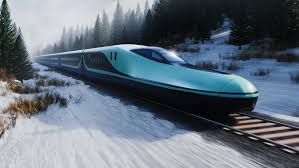
Beyond suburban expansions, the ambitious blueprint introduces game changing high speed travel and extensive localized safety upgrades under the central leadership vision. The Central Government has officially proposed a bullet train corridor connecting New Delhi to Siliguri via Lucknow and Patna, which aims to shrink the travel time between North Bengal and the national capital to just 6 hours. On a local level, Chief Minister Adhikari emphasized that the extensive modernization of 102 key railway stations under the Amrit Bharat Station Scheme will provide world class, premium amenities to millions of daily commuters. To significantly enhance safety and reduce extreme traffic gridlocks, the approved package also includes the rapid construction of 538 flyovers and underpasses across the state. This aggressive layout reflects a deliberate shift toward creating an integrated, high capacity logistics network capable of driving long term industrial growth.
This sudden rush of infrastructure approvals carries immense political and strategic weight, pointing toward a brand new era of administrative cooperation. For over a decade, major transport projects in West Bengal faced severe bureaucratic delays, prolonged legal battles, and absolute gridlock due to aggressive friction between the Centre and the previous Trinamool Congress state administration. Landmark initiatives like the Orange Line Metro construction at Chingrighata were dragged through the High Court and Supreme Court before work could finally resume. The transition to what leaders call a cooperative double engine alignment has allowed the state government to fast track critical clearances, issuing more than 40 long pending No Objection Certificates in a single day. By instructing district magistrates to immediately arrange land acquisitions via direct state purchase, the current administration is making a calculated push to prove that eliminating political friction leads to immediate, visible regional development.
From an economic perspective, the execution of these multi billion dollar projects acts as a critical stimulus package for the regional economy, though it will face serious real world challenges. Building hundreds of underpasses, laying high speed tracks, and introducing advanced communications based train control signalling systems will generate thousands of local engineering and construction jobs. However, West Bengal historically dense population patterns mean that acquiring land for 61 new rail routes will require delicate handling to avoid intense social displacement and public backlash. While the promise of a 6 hour bullet train journey to Siliguri sounds revolutionary, balancing massive long term capital expenditures with immediate passenger affordability remains a complex tightrope walk. Ultimately, if the government can successfully manage these operational risks and deliver these world class stations on schedule, this massive financial injection will permanently modernize transit, enhance real estate values, and position West Bengal as a leading commercial gateway.