
Bengal Residents Suffer Livelihood Loss And Social Taunts Following Voter List Deletions Under SIR
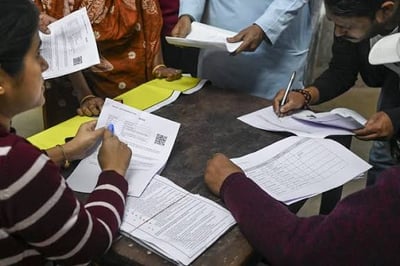
A major civic crisis has unfolded across West Bengal as thousands of residents discover that their names have disappeared from the official electoral rolls. While losing the power to vote is a serious blow to democratic rights, the consequences on the ground have spread much further into everyday life. Affected citizens now face sudden bureaucratic obstacles, damaged livelihoods, and deep emotional distress caused by painful social humiliation from neighbours and workmates. What was introduced by authorities as a formal verification exercise under the Summary Intensive Revision, commonly called SIR, has quickly turned into a daily struggle for basic dignity and economic survival.
The human pain of this administrative process is visible in the lived experience of a middle-aged resident from the Chowrangee Assembly constituency in central Kolkata. After his name was erased during the roll revision, his workplace environment changed drastically. Co-workers repeatedly started mocking him by advising him to go and look for property in Bangladesh. While some people passed these cruel remarks as casual humor, the taunts caused deep mental hurt and questioned his very belonging to the land where he was born and raised. Ordinary citizens who have spent decades living in the state find themselves suddenly treated with suspicion by peers they shared meals with for years.
The damage goes far beyond hurtful jokes and strikes straight at the ability of families to earn an honest living. When a citizen loses voter identity status, essential civic and administrative services ground to a sudden halt. In multiple verified cases, people have been blocked from registering commercial vehicles, renewing transport permits, or processing small trade licenses. For self-employed individuals who rely on daily travel to visit distributors and deliver goods across the city, losing vehicle registration is not merely a paperwork delay. It directly halts their business, cuts off their daily income, and leaves them unable to pay rent or feed their families.
The administrative framework set up to handle these removals has left affected people running between multiple government offices without quick relief. Special tribunals were formed to listen to public appeals against voter deletions, but long queues and massive backlogs have kept cases pending for months. While appeals gather dust in hearing rooms, local welfare networks have simultaneously started questioning citizen identity papers. Ration dealers and civil supply officers at neighborhood distribution points frequently review ration cards to cut suspected ghost beneficiaries, creating immediate fears that family food support could also be denied.
Vulnerable working-class communities, daily wage earners, and minority pockets are the hardest hit by this verification drive. Many daily earners do not possess multiple sets of old family documents, ancestral land deeds, or legacy papers dating back decades. When election officials issue sudden notices asking them to prove continuous residential history, poor workers often lose whole days of wages just to stand in line outside government offices. Missing a single hearing or failing to present an old paper can lead to immediate name cancellation, leaving illiterate or low-income families completely defenseless against the system.
Community welfare activists and civil rights workers in Kolkata have voiced deep worry over the spreading climate of fear. Legal volunteers helping affected families report that people are arriving with bags full of identity cards, tax receipts, and school certificates, desperately trying to prove their citizenship. Social workers point out that treating regular residents as foreign outsiders without transparent verification damages communal trust. Neighbors who once lived in harmony are now viewing each other with unwarranted hesitation, while local businesses hesitate to hire workers whose paperwork carries unresolved official objections.
Public health workers and community doctors have also noted a sharp rise in anxiety, sleeplessness, and stress-related health troubles among families caught in the revision net. The constant worry of being questioned by police officers, losing home ownership papers, or having children face stigma at school has created severe psychological pressure inside households. Parents express deep worry that if their legal identity is clouded by voter deletion, their children may face rejections during college admissions or government job applications in the future.
The practical impact of this verification process proves that voting lists are not just political records used on polling day. In modern civic life, having your name on the voter roll serves as a primary foundation for opening bank accounts, taking loans, buying vehicles, and receiving government welfare benefits. When administrative bodies remove names without giving individuals clear explanations or fast-track hearing channels, they effectively pull away the basic civic security of vulnerable citizens. Legal experts and social observers are now demanding that authorities simplify appeal procedures, stop arbitrary cancellations, and protect residents from unfair economic ruin and public ridicule.