
Billionaires Threaten To Leave New York But Airbnb And Tech Giants Double Down On Investments
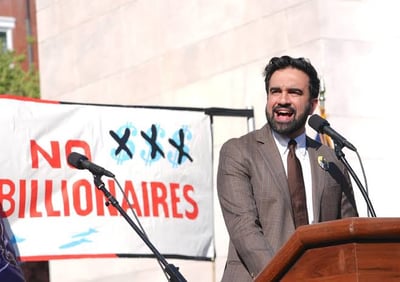
A major financial debate erupted in New York City on July 18 2026 as prominent corporate leaders expressed conflicting views over the economic future of the metropolis. The tension intensified following policy proposals by the newly elected Mayor Zohran Mamdani which include implementing a strict rent freeze for rent stabilized apartments across the city. This progressive shift in governance immediately drew sharp criticism from several high profile billionaires and financial executives who warned that such regulations would damage the business climate. Wealthy investors argued that aggressive rent controls and potential tax hikes could trigger a massive flight of capital. Prominent figures like BlackRock head Larry Fink hinted that firms might systematically deploy their resources to alternative locations if the business environment continues to weaken. Similarly leaders like Jamie Dimon and Ken Griffin raised concerns about the long term competitiveness of the city under this new political direction.
Despite these vocal warnings from the financial elite major technology companies are moving in the exact opposite direction by doubling down on their physical presence in Manhattan. Airbnb chief Brian Chesky proudly announced a massive real estate acquisition purchasing a historic 6 storey building at 281 Park Avenue South for 81.5 million dollars. This sprawling property in the Gramercy neighborhood will serve as a permanent regional hub for a growing workforce of more than 600 corporate employees. Chesky emphasized that the city has been an essential part of the company history since its earliest days and expressed great excitement about continuing to invest in the local community. The move signals strong corporate confidence that the economic vitality of the city outweighs immediate regulatory anxieties.
Joining this wave of corporate optimism artificial intelligence pioneer Anthropic also announced a massive expansion plan within the city. The tech startup finalized a lease for an entire 16 storey building located at 330 Hudson Street in Manhattan to accommodate its rapidly multiplying team. Corporate statements indicate that Anthropic plans to more than double its local headcount growing from under 500 workers at the start of 2026 to more than 1000 professionals by the end of the year. Company executives noted that the city stands as a primary global hub where artificial intelligence technology intersects with major financial institutions media corporations and cultural organizations. This rapid growth is supported by a larger 50 billion dollar nationwide commitment to domestic artificial intelligence computing infrastructure.
This sharp division reveals a deep philosophical conflict regarding urban economics and corporate social responsibility. The traditional financial sector views aggressive tenant protections as a direct threat to property values and overall profitability suggesting that capital will naturally migrate to more deregulated environments. However modern technology firms appear to prioritize access to top tier talent and proximity to diverse industries over tax and housing policy concerns. By establishing deep roots in Manhattan these tech companies show that the cultural and structural density of the city remains an irreplaceable asset. Ultimately while the billionaire class warns of a catastrophic exodus the physical actions of major tech employers prove that the economic appeal of the city is resilient enough to withstand progressive policy shifts.