
India Defends Energy Choices As US Lawmakers Push Shocking 100 Percent Tariff Threat
The diplomatic corridors between New Delhi and Washington experienced a sudden surge of friction on Friday 17 July 2026 after India broke its silence on a hostile trade weapon brewing in the United States Congress. The Ministry of External Affairs officially stated that the Indian government is closely following the legislative progression of a aggressive American sanctions package. The proposed Sanctioning Russia Act of 2026, which has rapidly gained the support of more than 60 prominent US senators, explicitly seeks to penalize five specific countries for continuing their energy trade with Moscow. By targeting India alongside China, Slovakia, Hungary, and Azerbaijan, the high profile bill represents a bold and controversial attempt by American lawmakers to use global trade policy as a direct geopolitical hammer to drain the financial revenues sustaining the ongoing military conflict in Ukraine.
During a tightly packed media briefing, External Affairs Ministry spokesperson Randhir Jaiswal delivered a calm but unyielding response that underscored India's absolute sovereignty over its resource procurement. Jaiswal clarified that India is fully aware of the legislative maneuvers in Washington but firmly reiterated that New Delhi handles its crude oil imports through a diversified, independent approach to energy sourcing. Over the past few years, Indian refiners have heavily capitalized on discounted Russian crude, shielding domestic consumers from severe global inflation and securing critical national fuel reserves. The official stance remains crystal clear: India buys its essential petroleum products from multiple suppliers across the globe entirely based on its own national energy security requirements rather than aligning with the unilateral foreign policy objectives dictated by Western capitals.
A deeper structural look at this dynamic piece of American legislation reveals a carefully balanced yet coercive economic strategy orchestrated on Capitol Hill. The bill was originally brokered by the late Republican Senator Lindsey Graham and Democratic Senator Richard Blumenthal, and it gained significant momentum as an emotional bipartisan tribute following Graham's sudden passing. The revised text smarty scaled down a previously proposed, extreme 500 percent blanket penalty to a more calculated 100 percent maximum tariff, which would be dynamically assessed and levied by the US Trade Representative every 180 days. Interestingly, the bill purposefully carves out expansive exemptions for various European allies who import smaller portions of Russian natural gas, heavily exposing an uncomfortable double standard where Western European nations are granted strategic leeway while developing Asian economies are subjected to aggressive punitive threats.
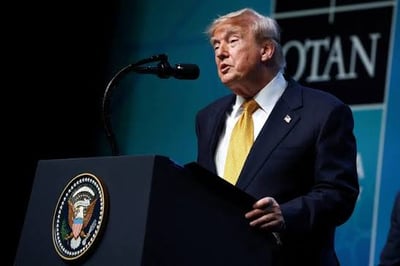
The unfolding economic drama puts the Biden Trump transition framework in a complex position, as the bill reportedly carries the backing of President Donald Trump but leaves wide executive waiver authorities to protect broader US strategic partnerships. If the US Congress formally passes this legislation before the upcoming August recess, it could inject severe volatility into the thriving India US strategic alliance, which has otherwise grown stronger through mutual defense cooperation and technology sharing. Ultimately, this high stakes standoff demonstrates that while Washington views economic tariffs as an effective tool to paralyze Moscow's financial base, it risks alienating key democratic partners in the Indo Pacific. The coming weeks will reveal whether this bold legislative push serves merely as a loud negotiating tool to pressure global oil buyers or if it will trigger an unprecedented, full scale trade war that disrupts the delicate balance of international commerce.