
Brazil Dominates Haiti As Matheus Cunha And Vinicius Junior Secure World Cup Victory
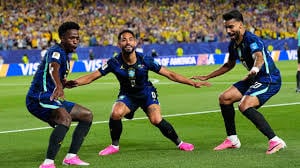
The Brazilian national football team effectively kickstarted its World Cup campaign with a commanding 3-0 victory over Haiti at Philadelphia Stadium. Following a highly frustrating 1-1 opening draw against Morocco, head coach Carlo Ancelotti faced significant pressure from fans and media alike to alter his tactical approach. Ancelotti responded by handing a starting role to Manchester United attacker Matheus Cunha, a decision that paid immediate dividends for the South American giants. Brazil established total control of the Group C encounter within the first half, displaying the fluid attacking rhythm that has historically defined their football identity. This decisive win moves Brazil to four points, placing them at the top of their group on goal difference ahead of Morocco, while a battling Haiti squad faces immediate tournament elimination after suffering consecutive defeats.
Brazil broke the deadlock in the 23rd minute after a period of sustained offensive pressure. Real Madrid winger Vinicius Junior tested Haitian goalkeeper Johny Placide with a low, powerful effort, and during the chaotic sequence that followed, defender Hannes Delcroix attempted a desperation clearance that ricocheted directly off Matheus Cunha and crossed the goal line. While the opening goal carried a slight touch of fortune, the second goal in the 36th minute was a masterclass in modern attacking combination play. Vinicius Junior delivered a perfectly weighted through ball into open territory, allowing Cunha to burst past the defensive line and unleash a thunderous left footed strike into the top left corner of the net. The South Americans finalized their dominant first half display during stoppage time when Lucas Paqueta spotted a dangerous run by Vinicius Junior, who calmly controlled a long pass and slotted his finish through the legs of Placide to make it 3-0 before the interval.
The stark contrast between the two footballing nations was fully visible throughout the match, exposing a substantial structural gap in international development. While Haiti fought with immense pride and utilized their raw physical pace to disrupt passing lanes, they simply lacked the tactical sophistication required to contain elite European based attackers. Interestingly, this starting lineup marked the oldest collective eleven Brazil has fielded in a World Cup fixture since their historic 1962 final against Czechoslovakia, averaging over 30 years of age. This heavy reliance on seasoned veterans like Casemiro, Marquinhos, and Danilo provided the squad with immense defensive stability but also raised minor questions about their long term athletic endurance against high pressing opponents later in the tournament. Furthermore, a first half leg injury to FC Barcelona winger Raphinha, who had to be substituted out in the 40th minute for young attacker Rayan, introduces an unwelcome layer of squad vulnerability for Ancelotti ahead of their final group stage match against Scotland.
Having secured a comfortable three goal cushion, Brazil utilized the second half to manage player fitness and dictate the overall tempo through low risk possession. Haiti occasionally threatened on counter attacks and nearly pulled a goal back in the 63rd minute when defender Ricardo Ade won a powerful header from a corner kick, forcing Liverpool goalkeeper Alisson Becker to execute an incredible reflex save. Ancelotti used the final half hour to introduce highly rated youngster Endrick for his official World Cup debut, injecting fresh energy into the front line. Though Endrick had a late goal disallowed for a premature offside run, the overall performance demonstrated that Brazil is successfully adapting to the tactical philosophies of their Italian manager. If the Selecao can maintain this offensive fluidity while navigating their current injury concerns, they will undoubtedly solidify their position as primary contenders for a sixth world title.