
Breast Cancer Awareness Month Prompts Doctors to Share 5 Vital Health Tips for Working Women to Lower Disease Risk
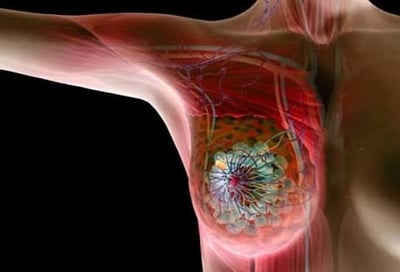
Breast Cancer Awareness Month observed worldwide brings urgent attention to a health crisis touching millions of families. Breast cancer remains the most commonly diagnosed cancer among women globally, with urban professionals facing distinct challenges due to desk-bound work, long working hours, and high daily stress. Health experts emphasize that while some genetic elements cannot be altered, everyday lifestyle choices play a massive role in lowering overall disease vulnerability.
Medical specialists point out that the daily routine of a modern workplace often leads to unintentional health neglect. Sitting for eight to ten hours at an office desk, skipping fresh home-cooked meals, missing out on restful sleep, and constantly facing work deadlines gradually harm internal body systems. Doctors highlight that busy schedules should never push preventive care to the background, and they recommend five practical, manageable steps every working woman can build into her weekly routine.
The first critical tip shared by physicians is to break long hours of physical inactivity. Sitting continuously for hours slows down circulation and metabolism, leading to weight gain and chronic internal inflammation. Oncologists recommend at least 150 minutes of moderate physical exercise every week, which translates to roughly 30 minutes five days a week. Working women do not need expensive gym memberships to achieve this; simple activities like brisk walking during phone calls, taking stairs instead of elevators, and doing quick stretches between meetings can make a measurable difference.
The second recommendation centers on mindful eating and avoiding processed food. Demanding office shifts frequently lead professionals to rely on packaged snacks, instant noodles, sugary coffee drinks, and late-night takeout meals. Doctors advise shifting to whole, nutrient-dense foods rich in colorful seasonal vegetables, fresh fruits, whole grains, lentils, nuts, and seeds. Foods high in natural fiber and antioxidants help balance estrogen levels and fight cellular damage, whereas diets loaded with refined sugars, trans fats, and deep-fried items increase hormonal imbalances.
The third advice focuses on maintaining a healthy body weight and cutting out alcohol and tobacco. Body fat tissue produces extra amounts of estrogen, and higher levels of this hormone over prolonged periods are closely tied to the growth of breast cancer cells. Regular alcohol intake, even when restricted to weekend social parties, has been proven by medical research to raise the likelihood of breast cell changes. Doctors urge working professionals to replace alcoholic cocktails with fresh lime water or green tea and avoid smoking entirely.
The fourth vital habit is learning monthly self-examination and scheduling routine clinical screenings. Doctors advise that every woman over the age of twenty should perform a gentle self-check of her breasts once every month, ideally a few days after her menstrual cycle ends. Feeling for unusual hard lumps, changes in skin texture, dimpling, or any liquid discharge from the nipples allows women to spot changes early. For women turning forty and above, oncologists strongly advocate having an annual or biennial mammogram, as high-resolution x-ray scans can spot tiny internal growths years before they can be physically felt by hand.
The fifth guideline involves managing stress levels and securing proper, restorative sleep. Constant professional pressure triggers the release of elevated cortisol and adrenaline, which slowly suppresses immune function over months and years. A weakened immune system struggles to identify and destroy abnormal cells before they multiply into tumors. Setting clear boundaries between work tasks and home life, taking short mental breaks, practicing deep breathing exercises, and getting at least seven to eight hours of sound, uninterrupted night sleep help the body repair itself naturally.
Oncologists remind working professionals that prevention is not about perfection, but about consistent, healthy choices. Early detection through regular screening turns breast cancer into a highly treatable and curable condition in the majority of cases. Taking ownership of personal health by pausing busy work routines for basic health checkups remains the most valuable investment any professional woman can make for her future.