
Congo Ebola Outbreak Records More Than 4000 Deaths as WHO Sounds Alarm Over Fast Spread into New Health Zones
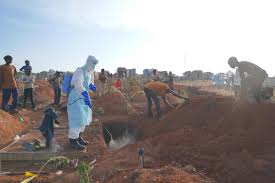
The Democratic Republic of Congo has crossed a grim milestone as the death toll from its current Ebola outbreak officially passed four thousand. Health officials across the country are finding it increasingly difficult to slow down the transmission of the deadly disease, which has turned into the fastest-growing outbreak of its kind on record. Nearly half of all individuals confirmed to have caught the virus have lost their lives, leaving entire rural communities in deep mourning and fear.
The World Health Organization has issued an urgent warning after tracking the infection as it jumps across geographic borders into previously safe health zones. International health teams report that medical gear, protective suits, and isolation spaces are falling short as the map of infected areas continues to widen. In many forest areas and remote trading towns, local clinics lack the basic tools needed to safely separate sick patients from other visitors.
According to data released by the health ministry, 4,018 patients have died out of approximately 8,300 confirmed cases. The current wave was first formally identified after a sudden rise in unexplained fevers and internal bleeding in eastern provinces. Scientists studying laboratory samples discovered that the illness is being driven by the rare Bundibugyo strain of the virus. Unlike more common types of Ebola, this specific strain has no approved commercial vaccine and no standard medical cure, forcing doctors to rely almost entirely on basic supportive treatments like fluid drips and fever control.
The crisis has become harder to control because of social fear and local misunderstandings on the ground. Health authorities recently launched a door-to-door, village-focused plan to find sick people early and trace who they touched. However, many community members continue to doubt medical teams. In several towns, rumors have led villagers to believe the virus is made up or brought in by outsiders, leading some families to hide sick relatives inside private bedrooms rather than taking them to specialized isolation tents.
Emergency responders also face difficult working conditions and security troubles in the eastern regions. Armed groups operating in nearby hills have attacked health posts and transport vehicles, forcing relief agencies to pause work repeatedly. At the same time, local doctors, nurses, and burial teams have staged protests over unpaid salaries, pointing out that they are risking their own lives daily without receiving their monthly wages.
Ebola spreads from person to person through direct contact with blood, saliva, vomit, or other bodily fluids from an infected individual. Traditional mourning customs, where relatives wash and touch the bodies of deceased loved ones before burial, have unintentionally exposed large gatherings of people to fresh infection. Aid groups are now working alongside respected neighborhood elders and faith leaders to encourage safe burial procedures that honor cultural traditions without spreading the deadly virus.
International humanitarian organizations warn that without rapid outside funding and more medical personnel, the crisis could cross over national borders into neighboring countries. Air travel checkpoints, border crossings, and river ferry docks are trying to run temperature screenings, but porous forest pathways allow thousands of people to move freely without any medical checks.
The World Health Organization continues to urge donor countries to release emergency relief funds immediately. Frontline workers insist that stopping the outbreak requires far more than medicine; it demands building trust with local families, ensuring regular pay for community health staff, and securing safe access so medical teams can care for patients without fear of violence.