
China Rejects India Fears Over Teesta River Project With Bangladesh
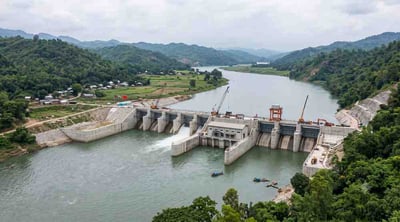
The geopolitical landscape of South Asia witnessed a significant development as China officially responded to the growing anxieties of India regarding the Teesta River project. During a high profile diplomatic visit by Bangladesh Prime Minister Tarique Rahman to Beijing in June 2026, Bangladesh and China finalized an agreement to deepen their cooperation on the long debated Teesta River Comprehensive Management and Restoration Project. This river flows from the eastern Himalayas through the Indian states of Sikkim and West Bengal before entering into the territory of Bangladesh, making it a critical shared resource for millions of people. As reports of this massive collaborative project surfaced, New Delhi raised serious security and strategic alarms due to the extreme geographic proximity of the proposed work to the Indian borders and the highly sensitive northeastern frontier. In response to these escalating diplomatic concerns, Chinese Foreign Ministry spokesperson Guo Jiakun explicitly clarified that the bilateral agreement between Beijing and Dhaka is purely a livelihood and development initiative designed to improve water resource management, control severe riverbank erosion, and enhance local agricultural productivity. The Chinese administration emphasized that this large scale river engineering framework is entirely independent and does not target any third party country, nor should it be subject to any external interference or foreign influence.
The dispute over the waters of the Teesta River has remained an unresolved and thorny issue between India and Bangladesh for over 43 years, tracing back to an ad hoc agreement signed in 1983. Under that historical arrangement, 36 percent of the water flow was allocated to Bangladesh and 39 percent was assigned to India, leaving the remaining 25 percent completely undecided. Later in 2011, a comprehensive water sharing agreement was meticulously drafted to award 37.5 percent of the water to Bangladesh and 42.5 percent to India during the lean months, but the agreement fell apart at the last minute due to fierce political opposition from the state government of West Bengal, which argued that such a treaty would severely jeopardize its own domestic agricultural needs. Due to these chronic delays and persistent water scarcity during the dry seasons, Bangladesh has faced immense challenges in maintaining its agrarian economy along the northern plains. This frustration eventually prompted Dhaka to explore alternative solutions, paving the path for the massive Teesta River Comprehensive Management and Restoration Project. China eagerly stepped forward to offer substantial economic funding and advanced technical capabilities to spearhead this massive restoration layout, which involves extensive dredging, constructing massive reservoirs, building modern embankments, and upgrading local irrigation networks.
From a strategic perspective, the sudden acceleration of Chinese involvement in a major infrastructural project so close to the Indian border creates significant geopolitical friction in the region. Indian defense planners and political analysts view this development with deep apprehension because the Teesta basin sits dangerously close to the Siliguri Corridor, a narrow 22 kilometer strip of land widely known as the Chicken Neck that connects mainland India to its 8 northeastern states. The presence of Chinese engineers, surveyors, and heavy machinery in this sensitive zone triggers immediate red flags regarding long term surveillance risks and potential dual use infrastructure that could be repurposed for military or intelligence gathering operations during a future conflict. This development cannot be viewed in isolation, as it follows a broader regional pattern of growing Chinese economic footprint, technological dependencies, and maritime asset developments across the Bay of Bengal. While the government of Bangladesh maintains that all operations will remain strictly under its sovereign civilian control to serve national humanitarian interests, strategic observers point out that such high value investments often create enduring institutional linkages, security dependencies, and maintenance ties that give Beijing substantial diplomatic leverage over Dhaka. India has responded to this challenge by offering its own alternative technical and financial assistance packages for the Teesta basin, trying to reinforce its position through established bilateral mechanisms and long term river management frameworks as shown in image.png where the original news was reported.
Ultimately, the evolving situation reveals a complex balancing act for Bangladesh as it navigates the intense geopolitical rivalry between its giant neighbors. The country is forced to weigh its desperate domestic need for water management and economic development against the necessity of maintaining stable, peaceful diplomatic ties with India, with whom it shares 54 transboundary rivers and deep historical bonds. China is clearly capitalizing on the historical stagnation of the Indo Bangladesh water treaties to expand its strategic footprint in South Asia under its broader development strategies. While Beijing dismisses India's security concerns as groundless, the reality is that transboundary river management in this crowded region can never be completely detached from hard geopolitical realities. To prevent further strain on regional stability, it is imperative for all sides to approach the situation with transparency, ensuring that livelihood projects do not transform into tools of strategic containment. Moving forward, the success of regional diplomacy will depend heavily on whether India and Bangladesh can revitalize their structured bilateral mechanisms or if the entry of external superpowers will permanently alter the hydro politics and balance of power in South Asia.