
Teesta Project With China Help Bangladesh PM Says At Any Cost We Will Do
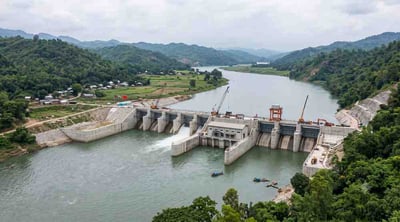
In a bold and direct proclamation that has sent ripples through South Asian diplomatic circles, Bangladesh Prime Minister Tarique Rahman announced that his administration will implement the Teesta Barrage Master Plan at any cost. Delivering a high stakes address during a general parliamentary discussion on the national budget for the fiscal year 2026-27, the premier declared the long delayed river project an absolute national priority. This decisive stance marks a massive shift in how Dhaka intends to handle its acute water crisis, particularly in the drought prone northern regions of Rajshahi and Rangpur. For decades, millions of farmers in these border districts have suffered from severe water scarcity during the lean winter months, largely due to dwindling transboundary river flows. By framing the project as an unyielding goal, the new leadership is signalling that it will no longer wait indefinitely for standard bilateral water sharing treaties to resolve its domestic agricultural crises.
The sudden acceleration of this project comes immediately after a highly significant official visit by Prime Minister Rahman to Beijing in late June 2026. During historic talks held at the Great Hall of the People, Bangladesh and China finalized 13 bilateral agreements covering trade, investment, and infrastructure. Most notably, Chinese Premier Li Qiang offered comprehensive technical and engineering proposals to upgrade the Teesta River basin. The proposed 1 billion dollar mega project, developed alongside PowerChina, includes extensive dredging of over 100 kilometers of the riverbed, constructing 114 kilometers of protective embankments, and building massive structural reservoirs to store excess monsoon waters for dry season irrigation. To ensure immediate domestic relief, the Bangladesh government has combined this transboundary river plan with a massive domestic campaign to excavate 20000 kilometers of local canals over the next 5 years, with nearly 900 kilometers already completed within the last 3 months alone.
An objective look at this development reveals a highly volatile geopolitical puzzle. For years, the Teesta water sharing agreement between India and Bangladesh remained completely frozen, primarily due to intense internal political objections from the state government of West Bengal regarding water availability for its own local farmers. By actively turning to Chinese engineering and financial assistance to bypass this diplomatic deadlock, Bangladesh is successfully reshaping regional power dynamics. However, bringing massive Chinese led infrastructure and engineering teams so close to the strategically sensitive Siliguri Corridor, a narrow stretch of land often referred to as India's Chicken's Neck, introduces major national security headaches for New Delhi. While Dhaka views the master plan purely as a critical livelihood and agricultural rescue mission, regional analysts cannot ignore the reality that the project hands Beijing a massive infrastructure lever right over India's eastern water artery.
Ultimately, this bold administrative push reveals the intense pressure on the current ruling government to deliver tangible economic victories to its domestic base. By waiving agricultural loans for 1300000 farmers and rolling out a specialized Farmer Card to provide direct financial assistance to 4300000 citizens, the administration is tying its political survival directly to agrarian revival. The Teesta Barrage Master Plan serves as the crown jewel of this survival strategy. If successfully executed, narrowing the naturally braided river from 3 kilometers to a controlled 1 kilometer channel will reclaim 170 square kilometers of valuable land and establish thriving new economic townships. However, the long term success of this engineering marvel will depend on whether Dhaka can successfully manage the delicate environmental impacts of such a massive artificial intervention while maintaining stable diplomatic relations with its largest immediate neighbor.