
Cockroach Janata Party Explodes With 1 Lakh Members After Chief Justice Surya Kant Allegedly Calls Indian Youth Cockroaches
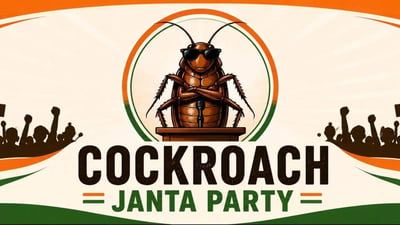
An unprecedented online rebellion has taken storm across the Indian digital landscape, culminating in the rapid formation of a satirical political outfit known as the Cockroach Janata Party. The platform achieved an astonishing milestone by registering over one lakh members within just seventy two hours of its virtual launch, positioning itself as the ultimate voice of the frustrated, unemployed, and chronically online youth. The movement exploded directly in response to controversial remarks originating from the highest echelons of the Indian judiciary, where young critics, student activists, and legal professionals were allegedly compared to cockroaches and parasites during a heated courtroom proceeding. Although official institutional clarifications were quickly distributed to insist that the sharp metaphors were taken out of context and were strictly aimed at individuals using fraudulent educational degrees to manipulate public welfare systems, the collective damage was already done. Rather than retreating, thousands of tech savvy citizens chose to aggressively weaponize the insult, transforming a derogatory label into a symbol of organized democratic defiance.
The structural formation of this viral digital outfit provides a fascinating look into how modern political dissent operates in the age of instant internet communication. The entire concept was initiated on May 16, 2026, by a thirty year old public relations student named Abhijeet Dipke, who previously volunteered within major mainstream political social media wings. Recognizing the deep pool of generational anger boiling across networks like X and Instagram over chronic unemployment, paper leaks, and patronizing statements from older authorities, Dipke simply deployed a public digital registration form inviting citizens to join a satirical movement. Within hours, the simple joke transformed into a highly coordinated online ecosystem, complete with a professional logo, state level chapters, and an official domain portal. The entry requirements for the Cockroach Janata Party mock mainstream political conventions by demanding that applicants proudly identify as lazy, chronically online, emotionally exhausted, or highly capable of arguing in comment sections for hours, effectively redefining political enlistment into an act of relatable cultural parody.
Despite its humorous and meme heavy branding, the Cockroach Janata Party has formalised a highly strategic five point legislative agenda that delivers sharp institutional critiques of contemporary governance. Chief among their demands is a strict constitutional proposal ensuring that no retired Chief Justice of India can ever accept a Rajya Sabha nomination or any post retirement executive reward from the state, directly targeting what critics view as judicial overreach and compromised neutrality. The manifesto further stipulates a twenty year electoral ban for any lawmaker who defects from their original political party, alongside a strict requirement for fifty percent female representation across all ministerial cabinet positions. Furthermore, the digital movement calls for immediate investigations into the financial assets of prominent mainstream television news anchors and demands the invocation of severe anti terror laws against election officials if legitimate voter names are deleted from electoral rolls, using extreme regulatory irony to highlight genuine flaws within current democratic safeguards.
This meteoric rise of an online parody outfit exposes a profound undercurrent of structural disillusionment among the younger generation, who feel completely alienated by traditional political machinations. While mainstream commentators argue that digital saturation and hyper ironic meme movements lack the physical, ward level organizational capacity to enact genuine legislative adjustments, the absolute volume of immediate participation proves that conventional political structures are failing to offer a healthy outlet for youthful grievances. Turning a severe environmental insult into a protective political identity shows that young Indians are increasingly using satire as a shield to survive systemic economic stagnation and institutional apathy. Prominent opposition politicians have already begun engaging with the viral platform online, indicating that while the Cockroach Janata Party may have started as a single satirical tweet, it has effectively forced a conversation on how authorities speak to the millions of citizens standing at the margins of the domestic economy.