
Commercial LPG Price Slashed By Over 200 Rupees As Aviation Turbine Fuel Prices Rise By 5 Rupees Per Litre
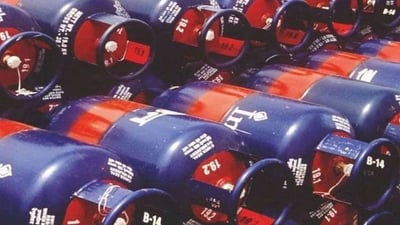
Businesses across the hospitality sector received major financial relief as state owned oil marketing companies announced a significant reduction in fuel prices. On August 1, 2026, the retail price of a 19 kg commercial liquefied petroleum gas cylinder was reduced by up to 209 rupees in major metro cities across India. Under the latest monthly price revision, commercial LPG cylinder prices dropped by 202 rupees in New Delhi, bringing the retail cost down to 2,728 rupees. In Kolkata, rates were reduced by 209 rupees, setting the new price at 2,872.50 rupees per cylinder. Meanwhile, in Hyderabad, commercial users saw prices decline to 2,985 rupees. However, domestic fuel consumers will see no change in their monthly expenditure, as the prices of standard 14.2 kg domestic LPG cylinders supplied to households remain completely unchanged.
While commercial kitchen operators welcomed the price cut, the aviation sector faced opposite news as aviation turbine fuel prices moved upward. State oil firms raised aviation turbine fuel rates by 5 rupees per litre, lifting jet fuel prices from 110 rupees per litre up to 115 rupees per litre in key airport hubs. This upward price revision effectively reverses the minor price reductions offered to domestic airlines in previous months. The diverging price trajectories between commercial gas and jet fuel reflect broader adjustments by state marketing companies as they rebalance local distribution costs against volatile international crude energy benchmarks.
This latest adjustment marks the second consecutive monthly price reduction for commercial LPG, signaling a gradual stabilization in domestic energy distribution after months of price turbulence. Earlier in the year, severe international supply chain disruptions and escalating geopolitical tensions across West Asia pushed commercial fuel costs to record highs, forcing restaurant owners and small eateries to absorb heavy operational expenses. Following high level inter ministerial reviews chaired by Prime Minister Narendra Modi, government authorities restored industrial fuel allocations to pre crisis levels and lifted sector specific caps, allowing marketing firms to pass cost savings directly down to commercial consumers.
The targeted reduction in commercial cylinder prices provides crucial breathing room for small business owners, hoteliers, and catering operators struggling with elevated operational overheads. By keeping domestic cylinder prices stable, policy makers have shielded everyday household budgets from broader market fluctuations, while allowing commercial establishments to recover from previous supply shocks. Conversely, the slight increase in aviation fuel costs highlights persistent pressure on the airline industry, where jet fuel accounts for nearly 40 percent of total flight operating expenses. The balanced revision reflects a practical approach to stabilizing essential service costs while keeping pace with global energy market trends.
Looking ahead, commercial consumers and industry observers will keep a close eye on global oil markets as international supply chains continue to adjust. If international crude benchmarks remain steady, local businesses can look forward to sustained cost relief in the upcoming months. For now, the significant price drop in commercial gas cylinders offers immediate financial comfort to thousands of eateries and commercial establishments across the country.