
Mamdani City Run Grocery Stores Initiative Offers 30 Percent Discounted Food For New York Families
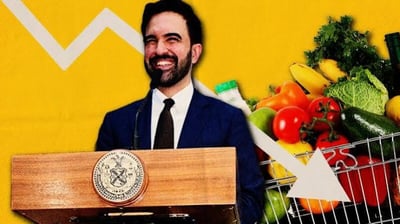
Every morning across the 5 boroughs of New York City, thousands of working parents and senior citizens walk into local food markets facing a heavy financial burden at the checkout counter. Purchasing simple household essentials like fresh fruit, vegetables, bread, milk, and eggs has become a daunting monthly strain on tight family budgets. On July 27, 2026, New York City Mayor Zohran Mamdani stepped forward to announce a sweeping solution to this persistent struggle by launching a public supermarket initiative. Under this official plan, the city government is creating 5 municipal food markets specifically designed to sell essential everyday groceries at 30 percent below standard retail prices. The very first city run store is scheduled to open its doors in the Hunts Point neighborhood of the Bronx by late 2027, with a second location slated for East Harlem at the historic La Marqueta marketplace by 2029. By taking on the direct role of store owner, municipal leadership aims to give lower income residents dependable relief from soaring food inflation.
The personal human impact behind this policy grows out of years of unrelenting price pressure that left many neighborhoods struggling to put healthy meals on the dinner table. Between 2019 and 2026, grocery expenses across the country rose by more than 33 percent, forcing families on fixed incomes to make difficult compromises every single week. To tackle this crisis head on, city officials published a detailed guide titled NYC Groceries A Recipe for Affordability. This public program focuses on a core basket of staple goods that everyday families rely upon, including fresh produce, poultry, fish, pasta, bread, yogurt, rice, and beans. Prices on these designated items will be locked in at 30 percent below typical supermarket rates for entire months at a time, protecting shoppers from unpredictable weekly price jumps. City leadership estimates that this consistent discount will save the average participating family roughly 90 dollars per month, translating into more than 1000 dollars in annual savings for households that need financial relief the most.
To turn this ambitious vision into actual brick and mortar stores, the local government has allocated 70 million dollars in public capital to fund the initial phase across the city. Rather than putting municipal bureaucrats behind the cash registers or relying on city workers to stock shelves, the administration is recruiting private grocery operators to handle daily management, inventory, and customer service. An official request for proposals was issued with applications due by October 16, 2026, inviting experienced food retailers to partner with the municipal project. The city is eliminating major operational expenses by waiving all property taxes and building rental fees for these designated store locations. The premier Bronx location situated at The Peninsula housing complex carries a build out budget of 10 million dollars and will serve a vibrant neighborhood where 36 percent of residents currently live below the poverty line, a figure that is double the citywide average of 18 percent.
Examining the mechanics behind this public venture highlights important questions about its long term operational sustainability and market consequences. Standard private supermarkets typically operate on slim profit margins ranging from 1 percent to 4 percent, meaning that a 30 percent price drop cannot be achieved simply by eliminating private corporate profit. Instead, public taxpayer funds must continuously fill the financial gap to keep store shelf prices artificially low. While individual shoppers will certainly benefit from cheaper produce at the register, neighboring independent grocery store owners and small corner bodegas operating near these municipal hubs could face severe pressure. These small private businesses, which already struggle with high overhead costs, may lose essential foot traffic as nearby customers flock to government subsidized storefronts. Furthermore, when high demand goods are sold far below standard retail value, stores frequently encounter challenges like rapid inventory exhaustion, long waiting lines, and product reselling, which require careful management.
Similar public grocery initiatives attempted in other major American cities demonstrate that running subsidized food outlets involves complex economic trade offs. When municipal programs subsidize retail prices without changing the broader agricultural supply chain, public spending can escalate quickly over time as operating costs grow. However, supporters emphasize that public funding for essential food access is just as vital as municipal investment in public transit, parks, or libraries. By providing direct property tax exemptions and capital backing, the city is using its broad economic scale to protect vulnerable communities from extreme market swings. Officials also plan to assist surrounding private grocers by streamlining local permit processes and reducing administrative burdens, attempting to foster a healthier commercial environment for food retailers across all 5 boroughs.
This historic municipal grocery program stands as one of the most direct government interventions in local food distribution seen in modern urban history. By absorbing real estate costs and directly funding discounted produce, city leaders are trying to establish a new model for urban affordability in high cost regions. If the pilot locations in the Bronx and Manhattan can successfully maintain fully stocked shelves and high quality service without overwhelming municipal budgets, this model could offer a useful template for cities nationwide facing similar cost of living challenges. The true test over the coming years will be whether this public strategy can deliver affordable nutrition to families who need it while maintaining a balanced and fair commercial ecosystem for all local food businesses.