
Diageo India Challenges FSSAI Rum Ban in Bombay High Court Claiming Regulatory Due Process Bypassed
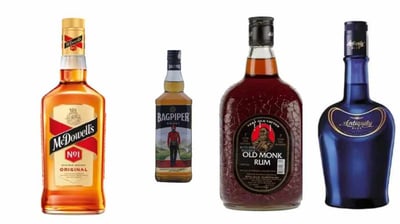
In a major legal confrontation shaking the domestic alcoholic beverage sector, United Spirits Limited, the Indian subsidiary of global spirits giant Diageo, has mounted a formal legal challenge against state enforcement actions prohibiting the sale of its flagship rum brand. Filing a writ petition before the Bombay High Court, the company argued that food safety authorities bypassed statutory due process when issuing a stop-sale order against McDowell's No. 1 Celebration Matured XXX Rum. The legal challenge comes on the heels of a broad regulatory crackdown targetting leading commercial liquor producers over alleged misbranding, improper labeling disclosures, and the external addition of artificial flavoring substances.
The dispute focuses on enforcement orders issued against the company's manufacturing facility in Baramati, Maharashtra. United Spirits contends that the food safety officer who executed the prohibition lacked statutory authority to unilaterally order a sales halt. According to court filings, the enforcement action relied directly on a food analyst report, effectively bypassing the standard adjudicatory framework mandated under national food safety legislation. The company asserted that its product labeling remains fully compliant with current national regulatory standards and aligns with established, long-standing industry manufacturing practices across the domestic spirits market.
The company also pointed out procedural timing issues surrounding the administrative crackdown. The Food Safety and Standards Authority of India initiated industry-wide consultations on new regulatory frameworks for flavor labeling shortly after local prohibition notices were enforced. United Spirits argued in its petition that maintaining a commercial ban while formal safety guidelines remain under active review by the central regulator itself is commercially prejudicial, disproportionate, and premature. The firm requested judicial intervention to safeguard one of its highest-selling commercial products from market displacement.
The regulatory body defended its oversight measures, citing laboratory findings that flagged external artificial flavorings meant to mimic natural maturation processes. Authorities argued that adding rum flavoring to rum or whisky flavoring to whisky misleads consumers and masks base ingredient profiles. Government representatives maintained that products utilizing such additives must state their nature clearly on primary packaging using descriptive terms like rum-flavored spirit rather than standard product classification. Federal officials stated that industry consultation sessions were opened specifically at the request of commercial manufacturers seeking regulatory clarity.
The Bombay High Court conducted a preliminary hearing on the petition, declining to grant immediate interim relief to the company while directing the central government to submit a formal response within two weeks. The legal battle carries significant implications for the multi-billion-dollar domestic spirits market, where international corporations and local producers operate under evolving safety norms. With regulatory agencies intensifying surveillance across production units, the court's final ruling is set to establish key precedents regarding administrative procedure, enforcement boundaries, and consumer labeling standards across the industry.