
DMart Scales Back E-Commerce Footprint Exit From Seven Cities Sparks Rapid Delivery Battle
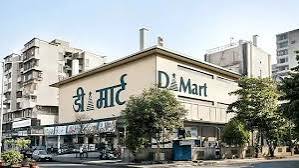
The blistering rise of quick commerce platforms is forcing traditional retail giants to fundamentally rethink their digital strategies. Avenue Supermarts, the parent company of the highly successful DMart supermarket chain, has officially scaled back its online delivery service, DMart Ready, by pulling out of 7 underperforming cities during the June quarter of 2026. The strategic decision was announced by DMart Ready chief executive officer Vikram Dasu alongside the company latest quarterly earnings report on Saturday, July 11, 2026. By withdrawing from these lower-performing areas, the retailer is narrowing its digital footprint to just 11 major metropolitan areas. This shift represents a highly calculated defense mechanism, steering resources away from smaller markets to double down on dense urban centers where the battle for grocery supremacy is currently being fought.
This sudden retreat highlights the immense pressure that rapid delivery platforms like Blinkit, Zepto, Swiggy Instamart, and emerging e-commerce systems are placing on traditional retail models. While DMart has built a highly profitable empire on a low-cost, bulk-buying model where customers visit physical brick-and-mortar stores, its online platform has struggled to adapt to modern consumer habits. DMart Ready has traditionally relied on scheduled deliveries and local pickup points, completely avoiding the expensive 10-minute delivery model pioneered by its quick commerce rivals. However, as urban consumers increasingly prioritize extreme convenience over marginal cost savings, the demand for traditional scheduled deliveries has slowed down significantly. According to market data, DMart Ready revenue growth dropped to a modest 5.5 percent during the June quarter, down from a robust 20 percent growth profile recorded just a year prior.
The financial performance of the company further reflects this growing friction in the digital marketplace. For the June quarter of 2026, Avenue Supermarts reported consolidated revenue of 18794.5 crore, representing a 14.9 percent year-on-year increase, while net profit grew by 11.3 percent to reach 860.4 crore. Despite these stable overall numbers, losses in the DMart Ready online segment actually widened to 75.3 crore from 56.9 crore a year earlier, highlighting how expensive it has become to run an online grocery operation without the support of a rapid delivery network. To navigate these challenges, the retail giant is implementing a major management reshuffle, introducing 2 distinct Chief Operating Officer positions to streamline their physical and digital operations. The core issue remains that while DMart remains incredibly dominant in physical retail, quick commerce platforms have captured nearly 70 percent of India online grocery market, directly challenging DMart historical price leadership in key metropolitan zones.
Ultimately, DMart decision to scale back is a pragmatic move to protect its profit margins rather than chasing unsustainable top-line growth in a capital-intensive digital war. Industry experts believe that large-format retailers and quick commerce platforms will eventually learn to coexist, as they cater to different consumer needs. While quick commerce continues to dominate spontaneous, daily top-up purchases in congested metropolitan areas, large supermarkets like DMart will continue to thrive in suburban and smaller cities where consumers prefer monthly bulk shopping. By pruning its unprofitable online channels and focusing on its core strength of brick-and-mortar expansion, DMart is positioning itself to weather the digital storm. The company plans to continue opening around 100 new physical stores annually, proving that while the digital landscape remains highly volatile, the power of a physical retail footprint remains a formidable defense against the forces of rapid change.