
Don't Have Time To Watch Videos: CJI On Plea Against Crackdown On CJP Protesters
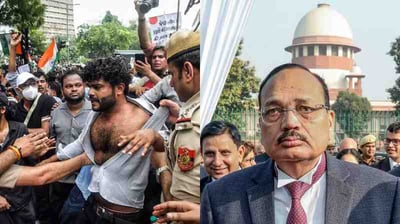
Tensions outside the courtroom echoed the heated atmosphere on the streets of New Delhi on July 22, 2026, as an urgent request to hear allegations of police force against student protesters reached the highest court in the land. Counsel appearing before a bench led by Chief Justice of India Surya Kant urged the Supreme Court to intervene immediately regarding recent police action against members of the Cockroach Janta Party during their protest in the national capital. The lawyer highlighted that young students had been camping for over 1 month to demand systemic changes in competitive examinations and seeking accountability for alleged paper leaks in national tests. When the advocate attempted to present video clips showing scenes of police using batons and tear gas on young demonstrators, Chief Justice Surya Kant firmly declined to accept the recording, stating clearly that the bench did not have time to watch videos and advising the counsel not to waste court time.
The legal clash stems from the events of July 20, 2026, when thousands of students participating in a march organized by the Cockroach Janta Party tried to advance toward Parliament on the opening day of the Monsoon Session. Demonstrators gathered in massive numbers at Jantar Mantar to voice their anger over the NEET-UG 2026 examination controversy, calling for major reforms in the National Testing Agency and demanding the immediate resignation of Union Education Minister Dharmendra Pradhan. Tensions flared when protesters attempted to cross security barricades placed along the route, prompting security personnel to employ force, including lathi charges and tear gas shells, to disperse the crowd. The incident resulted in injuries to multiple students and police personnel, leading to widespread public debate and prompting legal advocates to seek immediate judicial protection for the young activists.
While the Supreme Court chose not to grant an immediate hearing or take up the matter on an urgent basis, the legal battle over the protest crackdown is far from over in the Indian judicial system. A separate petition addressing the exact same concerns regarding excessive police action against student protesters was brought before the Delhi High Court on the same day. A bench comprising Chief Justice Devendra Kumar Upadhyaya and Justice Tejas Karia agreed to list the matter for a detailed hearing after legal counsel argued that the aggressive police action had deeply disturbed public trust. This contrast highlights how different judicial benches manage procedural priority, with the apex court focusing on its strictly scheduled caseload while regional courts take up urgent local rights grievances.
The refusal to review raw video evidence right during initial mentioning reflects the procedural boundaries that higher courts maintain to avoid turning preliminary hearings into evidence evaluation sessions. Constitutional courts usually expect petitions to come through structured procedures with filed affidavits rather than through sudden video presentations made during oral mentions. However, the decision not to view the visual proof has drawn strong reactions from public figures and student organizations who feel that clear visual evidence of state action deserves quick attention when basic rights are affected. Finding a balance between maintaining smooth judicial schedules and offering rapid relief to citizens facing law enforcement action remains a delicate challenge for the legal system.
The student movement at Jantar Mantar has grown beyond a simple campus protest into a broad social campaign calling for total transparency in public testing systems. Activists, including prominent education supporters like Sonam Wangchuk who joined the sit in on June 28, 2026, continue to demand clear accountability from education officials and structural changes in how nationwide exams are managed. As security forces maintain a strong presence around the protest area and legal proceedings continue across courts, the outcome of this movement will likely shape future administrative responses to peaceful public gatherings and student demonstrations across India.