
Donald Trump Eases Canadian Import Tariffs Ahead Of US Midterm Elections To Give Relief To Maine Businesses
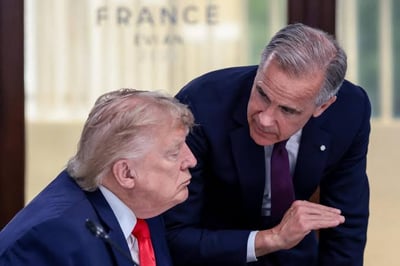
A major economic shift has unfolded along the northern border as the White House rolled back trade restrictions on several products coming from Canada. The move brings immediate financial breathing space to thousands of local business owners, farmers, and factory managers who had been struggling under the weight of rising import bills. For months, families and business operators had warned that sudden extra costs on essential materials were eating into their savings, threatening local jobs, and pushing retail prices up for everyday shoppers. By lowering trade barriers on specific goods, the administration has taken a practical step to protect northern border communities from severe financial damage.
The policy change focuses on key sectors that form the economic backbone of northeastern border towns. Under the revised rules, several Canadian agricultural products, specialty farm supplies, plywood sheets, paper materials, machinery parts, and industrial cooling equipment will no longer face punishing cross-border duties. For ordinary people, tariffs work very much like an extra sales tax added right at the border. When an American company imports raw goods or equipment from Canada, they must pay that extra tax directly to the government. To avoid going bankrupt, companies usually pass those extra charges straight down to consumers in the form of higher grocery and hardware prices.
The decision to lift the duties came after intense appeals from local representatives who witnessed firsthand how the heavy levies were hitting home. Senator Susan Collins of Maine played a central role in pushing the administration for quick exemptions. She pointed out that family-run farms in her state, especially those growing blueberries, harvesting potatoes, picking apples, and processing seaweed, depend heavily on smooth trade connections with Canada. Local growers rely on equipment, processing materials, and cross-border partnerships to keep their operations running. Without emergency tariff relief, many long-standing family farms were facing severe losses just as the harvest season wrapped up.
The official implementation date for the new tax exemptions has been set for 30 October 2026. This timeline provides welcome certainty for company owners who are drafting their end-of-year operating budgets. The announcement also arrives barely two weeks ahead of the pivotal United States midterm elections, where voters across the country will head to polling stations to choose their lawmakers. Political observers point out that the timing is not accidental, as candidates from both sides of the political aisle have been fighting fiercely to prove to working-class families that they can safeguard local livelihoods.
Local reaction across Maine shows a mix of gratitude and lingering worry. Farming families expressed gratitude that their urgent concerns were heard before the upcoming winter months. At the same time, regional trade associations noted that while the partial relief saves specific agricultural lines and wood suppliers, other industries still remain under heavy duty pressure. A local bakery or small building contractor might still face high prices for steel nails, metal roofs, and imported packaging materials. Business leaders continue to call for wider trade stability so they can plan ahead without fearing sudden shifts in border taxes.
The broader trade strategy of the White House has long relied on tariffs as a primary bargaining chip. The administration has repeatedly argued that broad duties are necessary to bring manufacturing jobs back home and force international trading partners to agree to better commercial terms. However, economists consistently warn that broad tariffs can act as a double-edged sword. When one nation slaps taxes on incoming goods, neighboring countries usually strike back with retaliatory duties on exported items. In this trade struggle, small independent producers often suffer the most harm because they lack the deep financial reserves of large multinational corporations.
Political opponents have seized on the situation, arguing that the trade wars created unnecessary economic pain in the first place. Challengers on the campaign trail pointed out that working families should never have been subjected to sudden cost spikes on everyday goods. They argued that easing tariffs right before an election shows that trade duties can harm domestic consumers just as much as foreign competitors. Supporters of the president, on the other hand, praised the flexible approach, arguing that it proves the leadership is willing to listen to local workers and adjust trade rules to protect home-state industries.
As border authorities prepare to apply the updated trade rules at crossing points, commercial trucks carrying agricultural produce and timber are expected to move with fewer hold-ups. The development shows how international trade decisions made in Washington directly affect the price of food on the kitchen table and the financial health of family-run businesses. While broader trade debates will certainly continue well past election day, farmers and shop owners in Maine can look forward to lower costs as winter approaches, giving their local communities a much-needed financial shield against economic instability.