
Jio IPO Breaks All Indian Market Records With Over 77 Billion Dollars in Bids
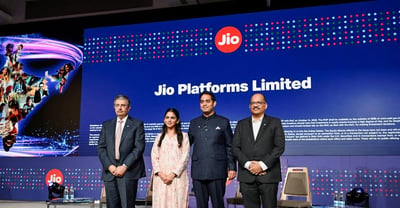
India has witnessed history in the financial markets as the public share sale of Jio Platforms became the most heavily demanded offering ever seen in the country. The landmark initial public offering, launched by billionaire industrialist Mukesh Ambani, gathered an astonishing pool of bids totaling more than 77 billion dollars from investors around the globe. The extraordinary demand highlights the immense confidence that both massive global financial funds and everyday domestic citizens place in the digital and telecommunications empire built across the nation.
The public offering is especially significant because it represents the first time in twenty years that a company from the Reliance group has listed shares on the public market. For decades, the conglomerate has been viewed by millions of households as an engine of long-term financial security. That deep trust showed up in full force during the bidding process, as more than 13 million individual share applications flooded into trading accounts, surpassing regional and international records for overall investor involvement.
The total valuation of the digital telecom heavyweight stands at up to 108.3 billion dollars under the public share offer, placing it directly alongside the most valuable commercial giants in the nation. The business is steered by Akash Ambani, the eldest son of the billionaire founder, marking a decisive chapter in the generational leadership handover within the family-run enterprise. Market participants have watched this generational transition closely, and the overwhelming response confirms broad support for the younger leadership team taking charge of modern operations.
Big global tech names have already poured huge sums into the business, building solid international backing long before the public listing took place. American digital titans Meta and Alphabet Google own key stakes in the company, bringing both cutting-edge technological cooperation and strong institutional credibility. When the public sale opened, major foreign sovereign wealth funds, multinational investment banks, and prominent local pension managers joined together to compete aggressively for shares, pushing demand past available quotas in record time.
The company revolutionized the everyday life of the Indian public when it first launched superfast mobile internet nearly a decade ago. By offering free voice calls and dirt-cheap data packages, it brought hundreds of millions of ordinary people online, from vegetable vendors using instant digital payments to students attending remote classes on affordable smartphones. Today, the telecom network serves more than 500 million active subscribers, standing proud as the second-largest mobile operator within any single country across the globe.
According to financial filings submitted for the public listing, the vast majority of the company revenues continue to flow from its core wireless connectivity operations. However, the group has steadily expanded far beyond simple phone connections. It now powers nationwide broadband cables, cloud-based business tools, internet streaming entertainment platforms, and specialized digital services for commercial enterprises, positioning itself as a central backbone of the modern digital economy.
The funds collected from the massive share offering are set to strengthen the balance sheet of the core telecom unit. The management plans to use up to 2.89 billion dollars to settle and pay down existing commercial debts, leaving the business in an exceptionally healthy financial state. The remainder of the fresh capital will be directed toward long-term network growth, upgrading high-speed infrastructure, and rolling out advanced data systems across tier-two cities and deep rural districts.
The rush to secure shares stands out even more when compared against other mega-listings in the country, which often take days to gain real traction among institutional players. In this offering, large institutional funds poured in money within the very first hours of the sale opening, exhausting their allotted portions in minutes. Even amidst broader market slowdowns in recent weeks, the sheer scale of investor appetite proved that high-quality national assets still attract massive global capital when prices and business fundamentals align.
The historic share sale also carries deep emotional meaning for retail stock traders across the nation. The Reliance journey of selling shares to the public was originally pioneered in the late 1970s by founder Dhirubhai Ambani, who organized massive open-air gatherings for thousands of small shareholders in Mumbai football grounds. That legendary effort introduced the idea of share market investing to millions of middle-class households. This latest milestone proves that the family business still holds an unmatched pull over ordinary Indian savers looking to participate in corporate growth.
With the bidding phase successfully completed at record highs, market watchers and small investors are now counting down to the formal listing ceremony on the domestic stock exchanges. Financial analysts believe the powerful market entry will energize the wider investment landscape, offering a major boost to overall economic morale and setting an exceptionally high benchmark for future public share offerings across Asia.