
Flydubai Pilot Smit Machchhar Questions Israeli Plumber Role In Mid-Air Hijack Foil Recalling Cockpit Axe Attack
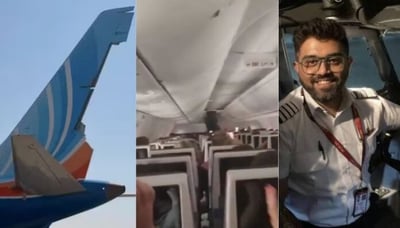
A dramatic high altitude emergency that shook the international aviation world has returned to global headlines as the captain of the targeted commercial aircraft broke his silence on the terrifying ordeal. Indian pilot Smit Machchhar, who serves as captain for the Dubai based carrier Flydubai, shared a detailed personal account of surviving a sudden violent assault while flying over thirty thousand feet in the air. During his hospital reflections, the veteran captain openly cast doubt on viral claims that an Israeli passenger working as a plumber had taken over the controls and helped land the plane, making it clear that keeping himself alive and opening the cockpit door consumed all his strength during the nightmare.
The harrowing flight was on its standard commercial route carrying one hundred and seventy-four passengers from Dubai toward Tel Aviv. High in the sky, everything appeared routine inside the Boeing 737 flight deck until the co-pilot, identified by investigators as Hamam Al Hammami, unexpectedly turned on his commanding officer. The captain recalled that he had only met the co-pilot for the first time that morning before departure. There had been brief, ordinary small talk between them, and nothing in the early phase of the flight gave any hint that a deadly conflict was about to erupt inside the tight workspace.
According to Captain Machchhar, the co-pilot stood up inside the flight deck saying he wanted to offer prayers. Showing personal courtesy, the captain kept his eyes focused ahead on his flight computer to give his colleague privacy. Suddenly and without any warning, a heavy blow struck the back of the captain head. At first, Machchhar thought a heavy structural panel of the aircraft had broken loose and fallen upon him. Within seconds, as repeated blows followed from behind, he realized to his horror that his own crew member had grabbed the onboard emergency crash axe and was actively trying to kill him inside the closed cabin.
The attack quickly created a life threatening emergency for everyone on board as the aircraft entered a steep, terrifying downward plunge. The captain remembered hearing the aircraft engines suddenly lose power and feeling the nose drop sharply, causing panic through the passenger cabin as the plane began losing altitude at high speed. Despite losing large amounts of blood and feeling his vision blur, Machchhar knew that remaining strapped in his seat meant certain death for everyone on board. He told himself that he could not allow the plane to crash, drawing upon thoughts of his wife and two young children to muster every ounce of physical energy left in his body.
Fighting through extreme pain, the captain managed to undo his seat belt and crawl across the cockpit floor while trying to dodge further blows. His single goal was to unlatch the locked cockpit door to allow help inside. After repeated, desperate attempts, he pushed the emergency latch open before collapsing face down between the flight deck and the forward galley. The opening of that security door changed the course of the flight instantly. Alert cabin crew and brave passengers rushed through the opening, tackling the attacker and tying him down using plastic zip ties and headphone cords.
In the days following the safe emergency landing in Tabuk, Saudi Arabia, international media reports highlighted several civilian passengers who assisted during the chaos. Among them was Yaniv Hayoun, an Israeli plumber who publicly claimed that he entered the cockpit, seized the control column, and helped stabilize the plunging aircraft based on aviation documentaries he had watched on television. While many internet discussions hailed the passenger as an unexpected hero of the skies, Captain Machchhar reacted with gentle skepticism when asked about the plumber actions.
Speaking from his recovery bed at a hospital in Abu Dhabi, Machchhar laughed softly when asked whether a plumber could realistically pilot and land a modern passenger jetliner. He stated honestly that he had no detailed knowledge of the plumber claims because his entire energy was focused solely on staying alive and preventing the plane from hitting the ground. Machchhar recalled hearing a senior cabin crew member announce during the scuffle that the captain had the aircraft under control, but he emphasized that he did not see any passenger operating the complex flight machinery. He added that speculating on such claims was impossible for him, given that he was drifting in and out of consciousness on the floor.
Instead, the injured pilot directed his highest gratitude toward his fellow airline colleagues who stepped up to take control of the controls in the final moments. Another qualified airline crew member took over the captain seat, leveled the aircraft wings, and guided the jetliner through an emergency descent into the nearest diversion airport in Saudi Arabia. Machchhar praised the bravery and skill of that colleague, stating that the remarkable flying ability displayed during those desperate minutes was something he would remember and respect for the rest of his life.
The captain also paid heartfelt tribute to the medical assistance he received immediately after the attacker was restrained. A passenger on board who worked as a dentist stepped forward to provide urgent trauma care, bandaging deep wounds on the pilot head and hands to stop the bleeding while cabin crew provided oxygen. Doctors who later evaluated Machchhar noted that he had lost an alarming amount of blood from the axe strikes and could easily have died from shock before the plane reached the ground without that immediate first aid.
The shocking mid-air incident has sparked wide investigations across multiple countries into airline security checks, flight deck mental health evaluations, and background screening procedures for international aircrew. Leaders in India and Israel praised Captain Machchhar for his extraordinary bravery, noting that his refusal to stay down in the face of a deadly weapon prevented an unimaginable mass disaster. As aviation authorities continue to review black box flight data recorders and witness statements, the pilot remains on the road to recovery, thankful to be alive and reunited with his family.