
Ganga Expressway Toll Alert: One Way Trip to Cost Rs 1,800 as UP Opens Longest High Speed Link
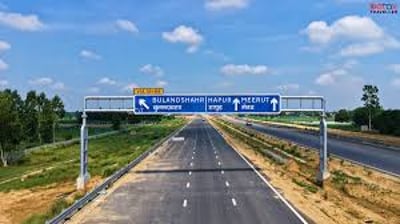
The infrastructure landscape of Uttar Pradesh reached a historic milestone on April 29, 2026, with the official inauguration of the 594-km long Ganga Expressway. Connecting 12 districts from Meerut in the west to Prayagraj in the east, this flagship project aims to slash travel time from 12 hours to just six. However, the convenience of high-speed travel comes with a significant financial cost. The Uttar Pradesh Expressways Industrial Development Authority (UPEIDA) has officially set the toll for light motor vehicles, such as cars and vans, at Rs 1,800 for a single one-way journey across the entire stretch. This makes it one of the most expensive tolled roads in the country, reflecting the massive Rs 36,230 crore investment required to bring this "world-class" corridor to life under a public-private partnership model.
While the Rs 1,800 fee for cars has grabbed headlines, the toll structure is tiered across various vehicle categories to account for road wear and tear. Two-wheelers and tractors will be charged Rs 905, while heavy haulers and multi-axle vehicles with seven or more axles will face a staggering charge of Rs 11,265 for a single trip. To provide some relief for frequent travelers, UPEIDA has introduced a 20% discount for those completing a round trip within 24 hours. Critics have pointed out that these high rates might deter some budget-conscious commuters, potentially shifting traffic back to older, free national highways. However, proponents argue that the savings in fuel and vehicle maintenance, combined with the safety features provided, justify the premium pricing for a journey that essentially cuts travel time in half.
Beyond the cost, the expressway is being marketed as a technological marvel. Adani Enterprises, which developed nearly 80% of the project, has integrated artificial intelligence-based surveillance cameras designed to detect crashes in real-time and provide geographical coordinates to emergency response teams. Furthermore, the state has partnered with Swiss laboratories to implement sensor-based systems that monitor road quality and vibration, ensuring a "world-class" riding experience. These high-tech additions are part of a broader strategy to make the Ganga Expressway a model for future infrastructure, even as the government prepares to approach the Prime Minister's Office for further expansion projects. The high toll is thus presented not just as a fee for passage, but as an investment in a safer, faster, and more efficient logistics backbone for the state.
As the first vehicles begin their six-hour dash across Uttar Pradesh, the Ganga Expressway stands as a symbol of rapid development. The decision to set the car toll at Rs 1,800 is a calculated move that balances the need for project recovery with the promise of unprecedented connectivity. For many, the ability to leave Meerut in the morning and reach Prayagraj by lunch—a feat previously impossible due to congested regional roads—is worth the price of admission. Whether this pricing model remains sustainable will depend on the volume of traffic and the willingness of the public to pay for speed. For now, the road is open, the AI is watching, and the clock is ticking on a new era of UP transit.