
Global Oil Market Sees Price Rebound Following Houthi Missile Attack on Saudi Crude Tanker Off Yanbu Port
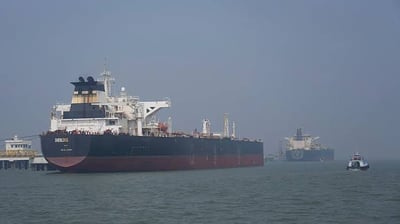
Global energy markets witnessed immediate volatility on Wednesday as international benchmark crude prices reversed recent declines following a dangerous escalation in Middle Eastern shipping lanes. Yemen based Houthi forces claimed responsibility for launching a targeted missile strike against a Saudi Arabian crude oil tanker operating near the strategic Red Sea port of Yanbu. The sudden maritime assault abruptly interrupted a major downward trend in global energy prices that had been driven by investor expectations of an imminent diplomatic breakthrough. Prior to news of the missile strike, market participants were pricing in growing optimism after international mediators reported significant progress toward a interim regional peace framework designed to restore commercial transit through the Strait of Hormuz. The attack off Yanbu served as a stark reminder to global traders that security risks along essential maritime trade routes remain acutely elevated, causing crude benchmarks to quickly regain ground after multiple sessions of sharp losses.
The targeted strike near Yanbu represents a troubling geographical expansion of maritime conflict within the Red Sea corridor. Historically, rebel operations were largely concentrated around the southern Bab el Mandeb Strait, prompting Saudi Arabia and other regional exporters to reroute substantial volumes of crude overland via pipelines to northern Red Sea ports like Yanbu to maintain international trade flows. By extending missile capabilities and targeting vessels further north along the Saudi coastline, the Houthi movement has directly threatened one of the primary alternative supply channels used to bypass southern chokepoints. Maritime security experts note that if military operations continue to push northward toward the entrance of the Suez Canal, global logistics networks could experience unprecedented freight delays and escalating insurance premiums. Energy analysts emphasize that this fresh disruption compounds an already fragile global supply picture, where alternative shipping routes are struggling to absorb diverted cargo volumes.
The sudden price rebound stands in sharp contrast to the strong bearish sentiment that dominated international markets earlier in the week. Crude futures had tumbled sharply after diplomatic reports indicated that negotiations involving the United States, Iran, and regional mediators were nearing a preliminary sixty day agreement to safely reopen the Strait of Hormuz. The proposed arrangement aimed to establish designated transit lanes to allow commercial oil and gas tankers to navigate Persian Gulf waters without fear of seizure or attack. Expectation of this diplomatic agreement had caused Brent crude prices to drop below eighty dollars a barrel for the first time in several weeks as risk premiums rapidly unwound. However, conflicting political signals from participating capitals, combined with persistent military actions on the water, have highlighted how difficult it remains to secure a lasting regional ceasefire.
The fundamental issue keeping energy traders cautious centers on long term governance and operational control over critical maritime passages. While diplomatic envoys continue working behind closed doors to bridge differences, key disagreements remain over platform supervision, international oversight, and security guarantees across regional waterways. Furthermore, growing numbers of commercial vessels and oil tankers remain idled or diverted across regional anchorages as maritime operators evaluate the evolving safety environment. Energy market strategists point out that until a binding, verifiable agreement is fully signed and operationalized by all active parties, geopolitical risk will continue to dictate daily price movements. The contrast between high level diplomatic discussions in capital cities and active missile strikes on commercial shipping vessels highlights the persistent disconnect between political negotiations and physical realities at sea.
For global consumers and national economies struggling against persistent inflation, the ongoing volatility in crude prices presents an ongoing economic challenge. Sustained disruptions across both the Red Sea and the Persian Gulf threaten to keep global transportation costs high and delay the stabilization of fuel prices. Major central banks and financial institutions are watching the energy sector closely, as prolonged high energy prices can complicate broader monetary policies and slow down global economic growth. As international community members press for an immediate end to hostilities, the events off the coast of Yanbu demonstrate that achieving genuine peace and restoring free maritime navigation will require comprehensive security arrangements that address all regional proxy conflicts. Until such comprehensive guarantees are established, energy markets will remain highly sensitive to every operational development across West Asia.