
Plastic Currency Notes Launch in India as Reserve Bank Targets Next Financial Year for Polymer Trial Rollout
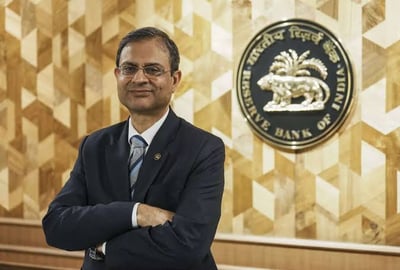
The monetary landscape in India is preparing for a major physical transformation as the central bank moves forward with plans to introduce plastic currency notes into daily circulation. Reserve Bank of India Governor Sanjay Malhotra announced during a post Monetary Policy Committee press conference that polymer banknotes are targeted to enter public circulation at the beginning of the next financial year. Addressing reporters in Mumbai, the central bank chief outlined that the initiative will begin as a controlled field trial to evaluate how synthetic note materials withstand diverse regional weather conditions, heavy daily handling, and existing banking infrastructure. The strategic move follows formal clearance from the Union Government, authorizing the central bank to manufacture and distribute limited quantities of plastic notes across select consumer markets to evaluate their practical performance before considering any broader nationwide implementation.
The initial phase of the pilot program will focus specifically on smaller value notes, which experience the fastest wear and tear due to high circulation velocity. Under the approved guidelines, the central bank subsidiary Bharatiya Reserve Bank Note Mudran Private Limited will produce one billion pieces each of the ten rupee and twenty rupee denominations using specialized polymer substrate sheets. Governor Malhotra explained that lower denomination cotton paper notes currently have a short operational lifespan because they change hands constantly in daily commerce. Synthetic polymer notes are engineered to last three to four times longer than traditional paper notes, resisting moisture, soil, and tearing far more effectively. By extending the physical durability of small bills, the banking system expects to reduce the overall frequency of reprinting, transporting, and destroying soiled paper currency over time.
Central bank officials have reassured citizens that the introduction of plastic currency is a gradual trial rather than an abrupt replacement of existing paper bills. The Reserve Bank of India clarified that traditional paper notes will remain fully operational as valid legal tender alongside the new polymer notes during the trial period. The government confirmed there is no immediate proposal to withdraw cotton paper banknotes, emphasizing that both materials will coexist in everyday transactions. Beyond improved durability, polymer technology allows currency designers to integrate advanced anti counterfeiting elements, including clear see-through windows and complex holographic features that are significantly harder for illicit networks to forge. As procurement tenders for security cleared polymer sheets progress, technical experts will conduct rigorous laboratory and field testing to ensure the new notes process smoothly through counting machines, automated teller outlets, and commercial cash sorting systems.
India joins an expanding list of more than sixty international economies that have successfully adopted polymer currency, including Australia, the United Kingdom, Canada, Singapore, and Vietnam. While synthetic banknotes carry a higher upfront manufacturing cost compared to cotton paper alternatives, international experience demonstrates that their extended longevity generates substantial net savings for central banks over multi year cycles. The upcoming trial revives an earlier concept first considered over a decade ago, now updated with modern printing technology and updated supply chain logistics. As the central bank prepares for the scheduled rollout early next fiscal year, public interest remains high regarding how the sleek, water resistant bills will feel in daily purchases. If the extensive field trials prove successful under varied climate conditions and intensive market use, the pilot could pave the way for a modern era in Indian currency management.